The Small Challenges of a Hiking Trip in Slovenia and Croatia.

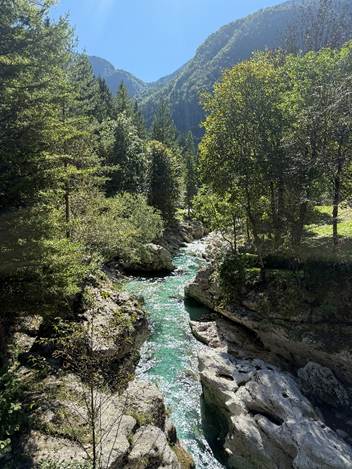
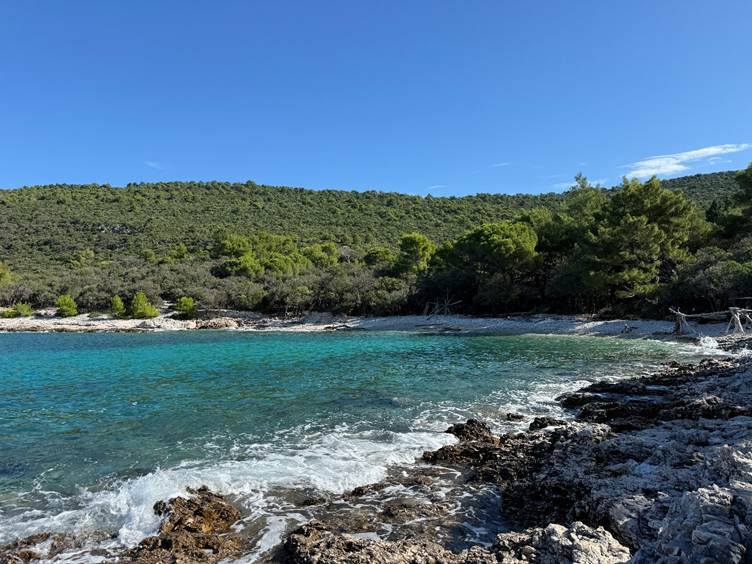
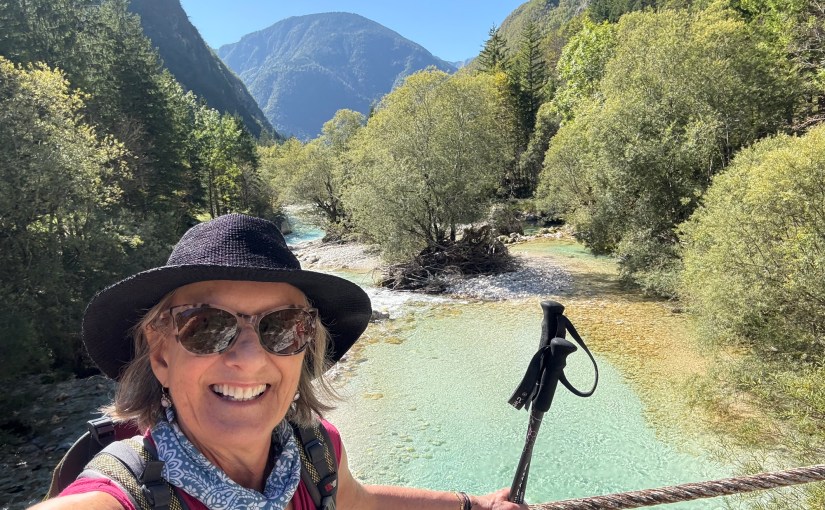
Last September I went on a trip with an all-female, hiking group through Slovenia and Croatia. It was fabulous and the scenery was even more stunning than I expected. The tour was twelve days of activity, some of them hard work, carrying our day packs and our bodies up and down mountains and along forest-dense gorges that followed rivers so glacial-green they looked almost as cold as they were. Some days were practically strolls in comparison, meanders along the Adriatic Coast where we stopped every so often to have a swim in the crystal-clear sea. It would be easy to rave about the wonders of each day, and in my last blog post I said I would. But I’ve decided there’s already enough raving out there in other blogs, documentaries and coffee-table books. The place is beautiful. If you can, go.

What I’m going to talk about are small challenges I experienced on the trip and what I learned from them.

I booked the trip a year in advance. Being a solo woman who loves travel and hiking, it was impossible to go past an ad from a company called Camino Women, a hiking group from Australia which was offering a guided multi-day hiking adventure in a region high on my bucket list. I paid a deposit quicker than I could do up my laces.

The year passed quickly, as years do, and despite torrential rain interfering with training and shonky knees getting shonkier, I was fit and packed and ready to climb mountains.

At the Meet and Greet in Ljubljana, the capital of Slovenia, the group’s two local guides led us up Rožnik Hill, ostensibly to see the view of the city but most likely to test us out. Of course, none of us wanted to be deemed slow, so all twelve middle-aged women climbed the hill at a cracking pace, clearly passing the first challenge of keeping up whilst talking. Our guides then explained that the terrain we had just experienced was a gentle taste of what was to come – tree roots, slope, loose stones and soil – and asked if we all had poles, which I didn’t. Telescopic walking aids had never been on my list and frankly, I didn’t really like them. But seeing the expression on the guides’ faces was enough to convince me I needed some before we left town. A hiking shop was found, and I chose the black carbon pair with pink lever locks for obvious aesthetic reasons.

When we set off on the first day, poles awkwardly in hands, it was wet. Lake Bled was mystically beautiful in the mist and the steep dirt track up to the lookout was slippery. I quickly learned how useful the poles were, anchoring three points (one foot, two tips) to the ground while clambering up and down ungroomed slopes. The other benefit was how much weight I could take off my knees, simply by using the strength in my upper body. I was an immediate convert.

What let me down that day was my poor choice of raincoat. Having opted to bring the lightweight one instead of my heavier, higher quality one, I was drenched by lunchtime and cold and miserable. Thankfully, that was the end of the day’s hike, and I was able to recover with a hearty hot lunch and a glass of Simčič, Slovenian red wine. Next time, though, I won’t skimp on my equipment just to save carrying a few extra grams.

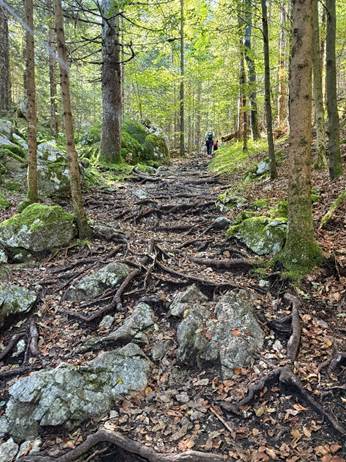
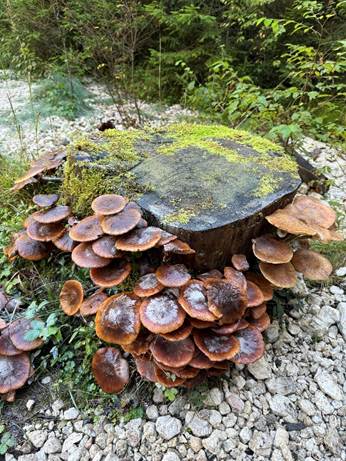
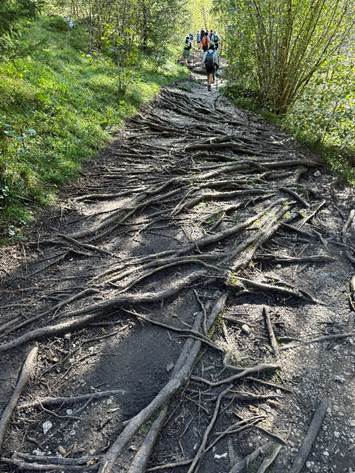
A constant challenge was the ground itself. Slovenia is predominantly limestone, a rock that can be smooth and slippery, or like shattered marbles shifting underfoot. Stones big enough to tread on can be jagged with edges like blades, and unstable. Where the soil is shallow over the limestone base, roots of trees criss-cross the track like scenes from a horror movie. Each step needed to be taken carefully and time and time again, I was grateful for my poles which saved me from tripping or twisting an ankle. Looking at the ground so much did mean having to stop to look up now and then, but even along the track there are things to admire: lichens and mosses, fungi and teeny flowers, worms and the occasional small snake. What’s right in front of you can be the best view.  

Of course there were the challenges of being in a group: getting along with multiple personalities, sharing a room when you haven’t shared since you were married, being ready on time, and fitting in with a schedule. But these are the things that make group travel fun and easy too. There’s always someone to share a story with or learn from, someone who’ll lend you something you don’t have, or collaborate with when you want something different. In this group we bonded over tea. It wasn’t readily available in Slovenia (who knew that was possible?) and half of us were addicts, so finding, storing and sharing tea bags became a thing. I don’t know that would have happened in a mixed-gender group. Women know how to look after one another and are sympathetic to such critical needs. We can hunt and gather and be honest about our feelings. And particularly in a hiking group, the women are likely to be strong, uncomplaining, make-up free, and unpretentious. Certainly, this group was. Getting along was really no challenge at all.

I’d be happy to do a trip like this again. The benefits of challenges and learning aside, immersion in nature and a new culture with a bunch of purposeful, wilderness-loving women could hardly be bettered.

My poles and I became best friends and despite being chosen for their looks, they stood me in good stead right up until the end. On the last day I fell sideways on sharp rocks, and one took the brunt. As I lifted myself up and saw it snapped in two, I felt like it had sacrificed itself for me and nearly cried. A friend behind said, thank God it wasn’t your tibia. True. That would indeed have been a challenge too awful to bear.

https://caminowomen.com.au/

Is Travel Worth the Trouble?

It’s been said that we travel not to escape life, but for life not to escape us. As I faced my most recent travel trials, I had pause to reflect on this and wonder if it was true.

I enjoy my life at home. Fortunately, I have no reason to want to escape it. I’m retired; I live by the sea; my friends and family are nice; the climate is good and there’s little danger. But I’m often tempted by images of other beautiful landscapes and stories of different cultures and find myself hurtling towards another trip, just to experience more.

When we’re travelling, we’re learning, we’re adjusting, we’re seeing, hearing, smelling, and feeling new things. That’s where the statement proves true. Life is bigger. And even when there’s challenges, as often there are, it’s worth it.

On my way to Croatia from Sydney, I hadn’t even left Australia before I faced my first one. A one hour stop in Perth grew into twenty-one hours due to a mechanical problem. Six hours waiting in Perth airport turned into a scramble at 10.45pm for one of the few taxis around, an online search for a hotel (thank technology for smart phones and Booking.com), a late night dinner order, a one hour phone call to Webjet to change my connecting flight Rome to Dubrovnik (I can’t praise Webjet more highly for sorting this out for me), an email to my travel agent to cancel my first day’s arrangements and another hotel booking for my midnight arrival in Rome. By Sydney’s clock, it was 2am by the time I was able to rest. I had achieved what I needed to, despite not normally functioning well at night, despite being afraid of failing somehow, despite not having anyone to share the stress with. I went to bed feeling it was all par for the course and proud of myself for managing. When my fellow travellers and I congregated at the gate for the flight the next day, we felt friendly and exchanged stories about the night, the connections, the reasons for our trips. We were unified and while waiting for our luggage in the almost deserted Rome airport, we helped one another activate our eSims and gathered in a group to make our way to the not-so-easy-to-find airport hotel. There was a feeling of camaraderie which somewhat compensated for the vexation. As a solo traveller I find myself magnetised to smiling middle-agers (usually women) when I need support. A one-minute connection often resolves a problem or boosts my resilience.

The next day, on hearing that an airport ground-staff strike in Rome (that followed the nationwide train strike) would mean my luggage might not get loaded, I stuffed essentials and two days’ worth of clothes into my carry-on daypack and headed back to the terminal. The check-in guy was reassuring – Don’t worry about it, he said in his thick Italian accent. So I chose not to. I had done everything I could to prepare for the worst and still felt optimistic about the best. When my luggage appeared on the Dubrovnik airport carousel, I was elated and excited again about my holiday. I had notched up my resilience level and learned I could cope. I was in a new land, and it was worth it. As I stepped into the sparkling Adriatic Sea and swam as the sun went down, I counted my blessings and acknowledged that life was indeed, not escaping me.

Next post, I’ll share my trip to Croatia and Slovenia, recommend some fabulous fun Must Do adventures and share my take on joining a small group hiking tour. It wasn’t all easy, but it was all worth it.

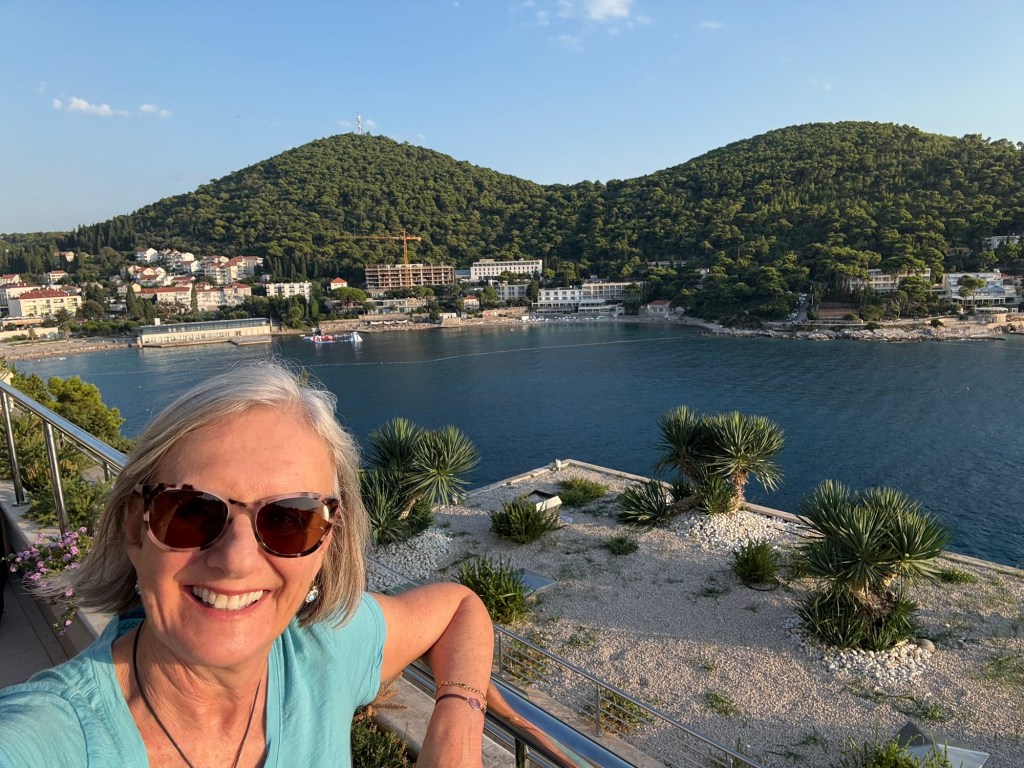
Arrival in Dubrovnik

Finding Fun

Because writing a novel is hard and takes a long time, it’s nice to be able to step aside for a while and write something else, especially something relatively quick and personal.

I have a little story here that I recently wrote and had published in the Society of Women Writers’ magazine, Women’s Ink, for their 100th year anniversary. It’s a story about a recent adventure I had with a bunch of women friends. They pushed me outside my comfort zone and taught me that the campervan life was a lot of good fun. So, here’s the story and I hope you enjoy it.

Finding Fun

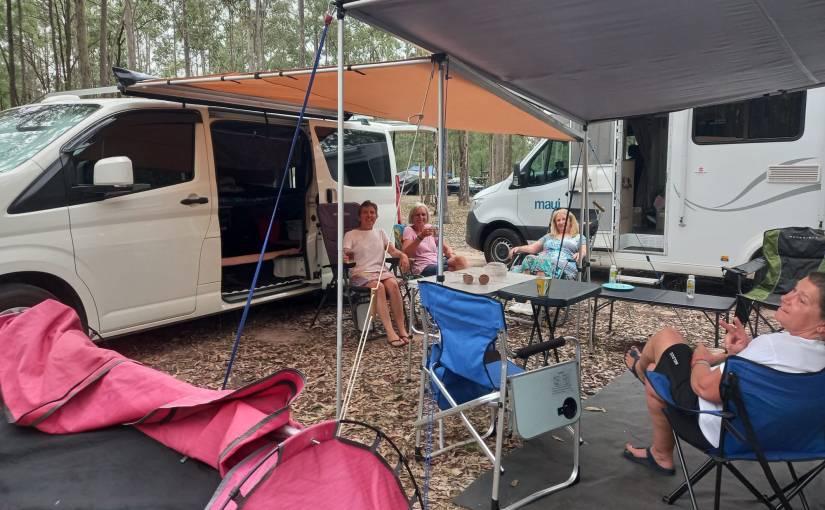
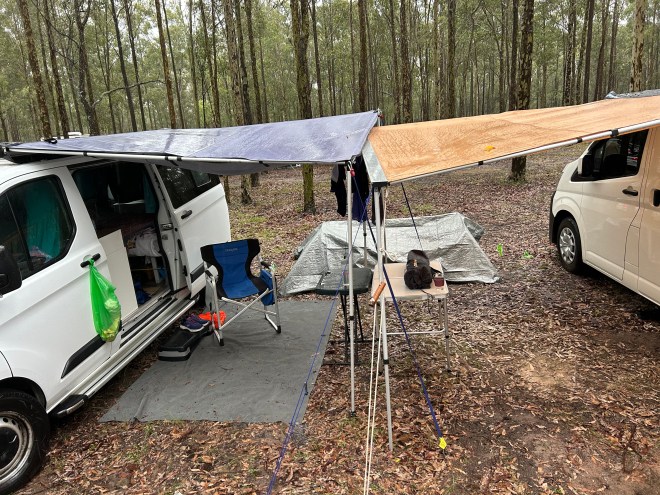
Listening to the rain as I lie in the dark, I ask myself if this is fun. I’m dry. I’m warm. Actually, I’m quite cosy. But the noise of water on metal is loud and the boxy motorhome is shuddering. A clunk reminds me that I’m camped in a forest of gum trees, tall and spindly things, young and limber. Not widow-makers, fortunately. I wonder how my gutsy friend is coping in the swag. Is she still dry? Is she safe? Should I get up and go out, bring her inside to sleep on my floor? Would she already have crept inside one of the other girls’ vans since we’re all parked together in a commune-like square? We’re in this together, I remember one declaring before we left the last camp, a spontaneous and abrupt decision as another read the weather report. Shithouse weather approaching, the BOM said. We should go, Wonder Woman said. Waiting til tomorrow would mean setting up in the storm and possibly getting bogged. They all agreed. But, but… I said, panicking because that wasn’t the plan and my mind isn’t pliable. I’d been thinking a cup of tea would be nice, and then perhaps a stroll on Jimmy’s beach… Later, I was told with much hilarity that I looked like a stunned mullet.

The corners of my mouth turn up. I stare at the shadow of carpet-lined ceiling and recall my friends leaping into action, jollying me along as the newest member of the group. As the novice – the princess in the rented, oversized, Maui – I got a lot of encouragement. Once they had packed up their compact, perfectly fitted-out campers they assisted me with mine, cooing over the toilet and shower, the electronic bed, the three-burner cooktop, and laughing as they guided me to empty the toilet cassette and unhook the grey-water hosepipe. They were supportive and enthusiastic, and determined that we would be well set up for the Xavier Rudd concert in the Hunter Valley the next night.

I climb down the ladder from my elevated nest. I lift the blind and peer out, see nothing but phantom shapes. The white vans glow grey, their awnings slicing the dark. The swag looks ominous – a long, black, indiscernible body. Apart from the shivering trees and the falling of exhausted leaves, there is no other movement. I can’t see the rain. I can’t see my friends. I can’t see any reason to go out into the eerie and wet world. I use the luxurious toilet, then climb back up to bed.

Curling up on my side I think of my gum boots, the mud, and the other competent campers who decided to setup on the grounds early. The rain started on nightfall, just as predicted. My gang are a clever bunch. I feel smug that I’m with them. They taught me to play a card game yesterday, the first in my life. It challenged me and made me happy. I pull up the doona, snuggle in and smile. Yes, this is fun.

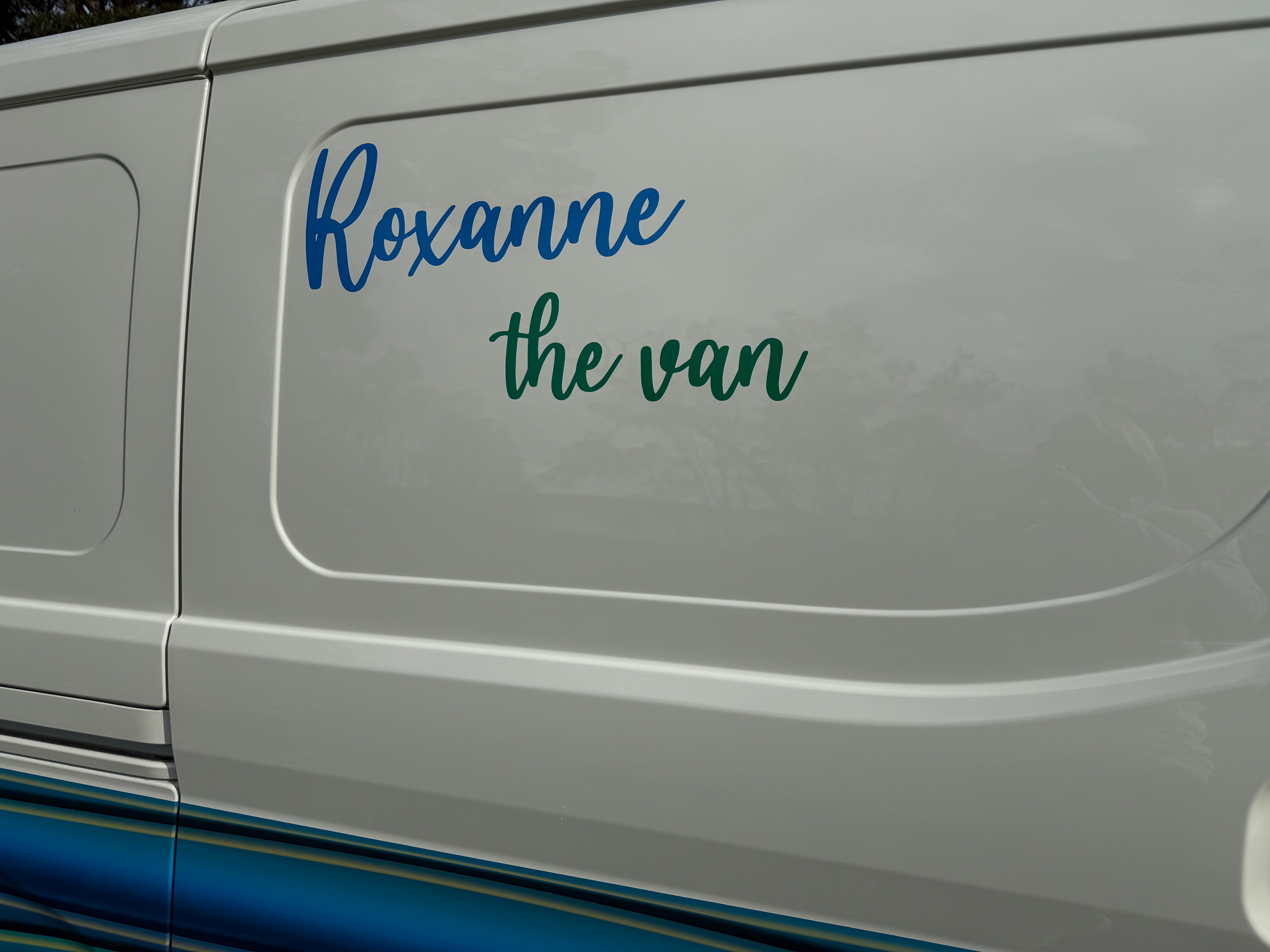
I had so much fun on this trip, I ended up getting my own campervan, a Toyota HiAce I had fitted out myself and called Roxanne. I’m looking forward to more adventures with my friends, fun times I’ll be sure to write about.

How have you found new ways to have fun in the various stages of your life?

The Publication Dilemma

Eight years ago, I started drafting a novel. The story came to me as I was settling in to my new life as a single woman. I journalled and talked to other women who were going through similar things – women in mid-life who were experiencing changes in their circumstances, bodies, hearts and minds. Complete with its three female characters, the story encapsulated many of those changes and how the women were transformed through dealing with them. The story may have been created in my mind, but it was as if it came to me on the wind, landing in my lap like a feather.

The message was clear: Ladies, you’re not alone and if you’re brave enough to be open and honest, to let go of certainty and take a chance, and to prioritise yourself (for a change), you’ll grow and you’ll fly.

The reason I’m sharing this is because the story is in danger of being grounded. The process of shaping it for publication is starting to feel like clipping its wings. I don’t quite know what to do next, but I know from experience that being open and honest helps.

For eight years I’ve gone over and over this story, drafting, editing, and re-writing it after each manuscript assessment, improving it but also shaping it to fit the genre of contemporary commercial women’s fiction. This genre is character and theme driven and according to professionals, this is where my novel sits. I get it. I agree. But, in some ways, it’s not fitting the mould.

For a start, a story with three protagonists (three character-arcs and three plots) has caused there to be a lot more words than today’s publishers want. It’s too big for the genre, especially for a debut novelist like me.

Another irregularity is that one of my characters leaves the other two and as a result has a partly separate story. Normally, in this genre, the main characters are intrinsically linked so that their actions impact on one another.

Mostly the story is set in Australia but this character returns to her birthplace, India, for a period of mourning. This leads to another editor’s issue: is it appropriate for me as a white woman to be writing from an Indian woman’s point of view? And why India? My answer is I’m fascinated by India, love the place and its people, and know women there who want their transformation story told too. And India has always been a part of this story, the one that chose me to land on.

So, what do I do? I have always said that I want to be traditionally published. I want the recognition, the kudos, the built-in marketing. But to be accepted I would need to make my novel fit the mould. And that’s not sitting well with me.

Is that because I’m a restless middle-aged woman who wants to do it her way and hopes to fly? Or because I’m a little woo woo and believe the story should remain as it arrived? Or because writing should be unconstrained art? Or simply because I’m running out of energy? I’m not sure, but I think I’m coming to the conclusion that traditional publishing isn’t worth the effort.

I’ll add one more reveal. My confidence rises when I’m happy with my writing, when I feel I’ve been genuine. It falls when I get back an editor’s report and try to make the writing fit a format. So, what is that telling me?

I want my novel to soar. I want people to relate, to get it, to be inspired by it. I’m willing to follow guidelines on good story-telling to give it the best chance. So I’ll give it one more makeover, pluck out a few extraneous scenes. But I must stay true to the story. I must write it how it wants to be written and include all I have to say.
It seems clear now that I need to be free of constraints, and when I write THE END this time, I need to be brave enough to publish it myself. Who knows what will come of it? But at least I’ll be setting it free.

Travels: Uzbekistan, Azerbaijan and Istanbul

When I told people I was going to Uzbekistan and Azerbaijan, many asked Why?

I admit, my knowledge of the place was limited to television documentaries like Joanna Lumley’s Silk Road Adventure  https://www.amazon.com/Joanna-Lumleys-Silk-Road-Adventure/dp/B091JNK3KC and Silk Road from Above, https://www.sbs.com.au/ondemand/tv-series/silk-road-from-above , but that was part of the attraction for me: not knowing a lot meant learning about it, first hand. I was drawn in by the idea of the first traders on camels, of wells and forts and ancient civilisations in the desert.

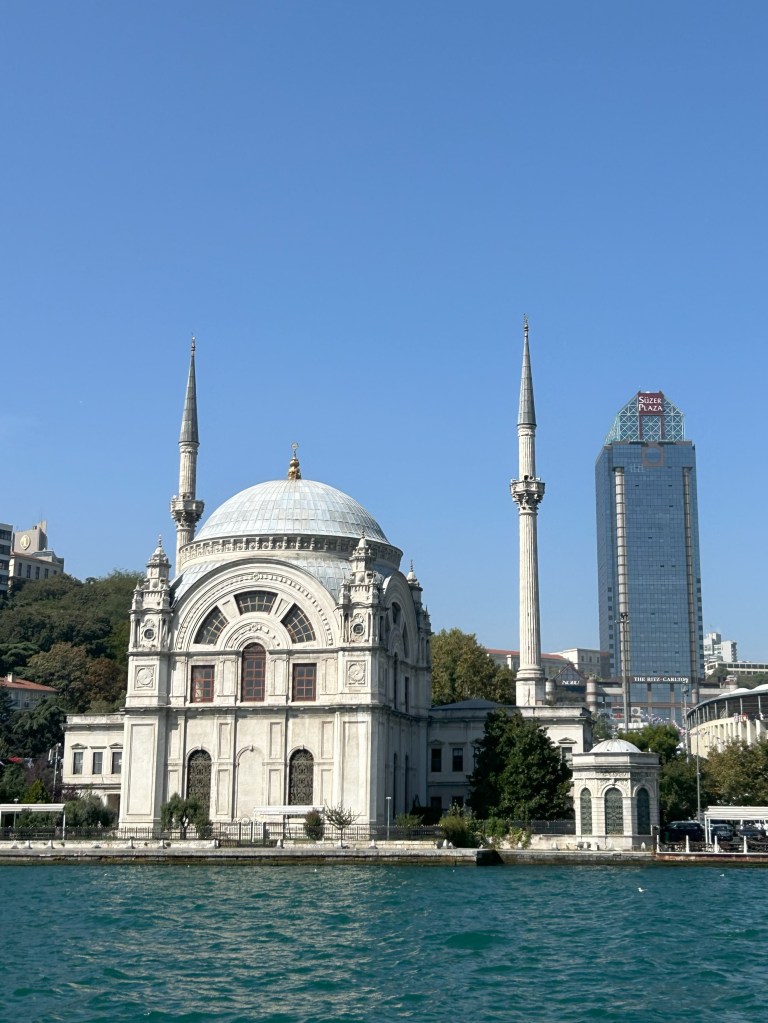
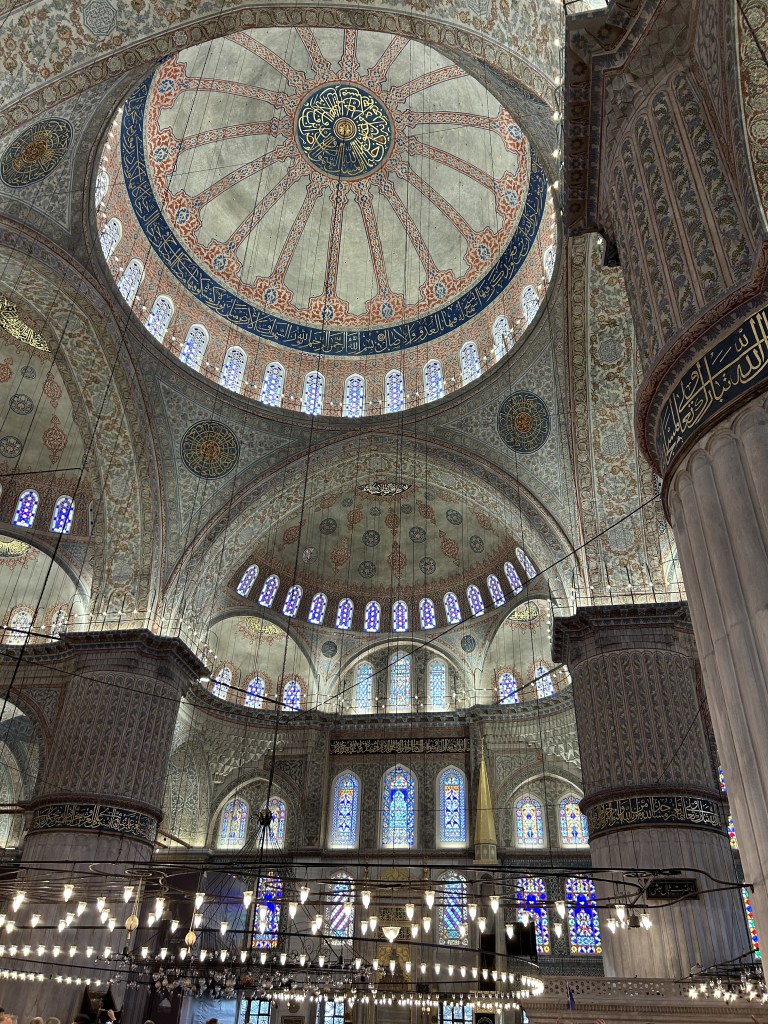
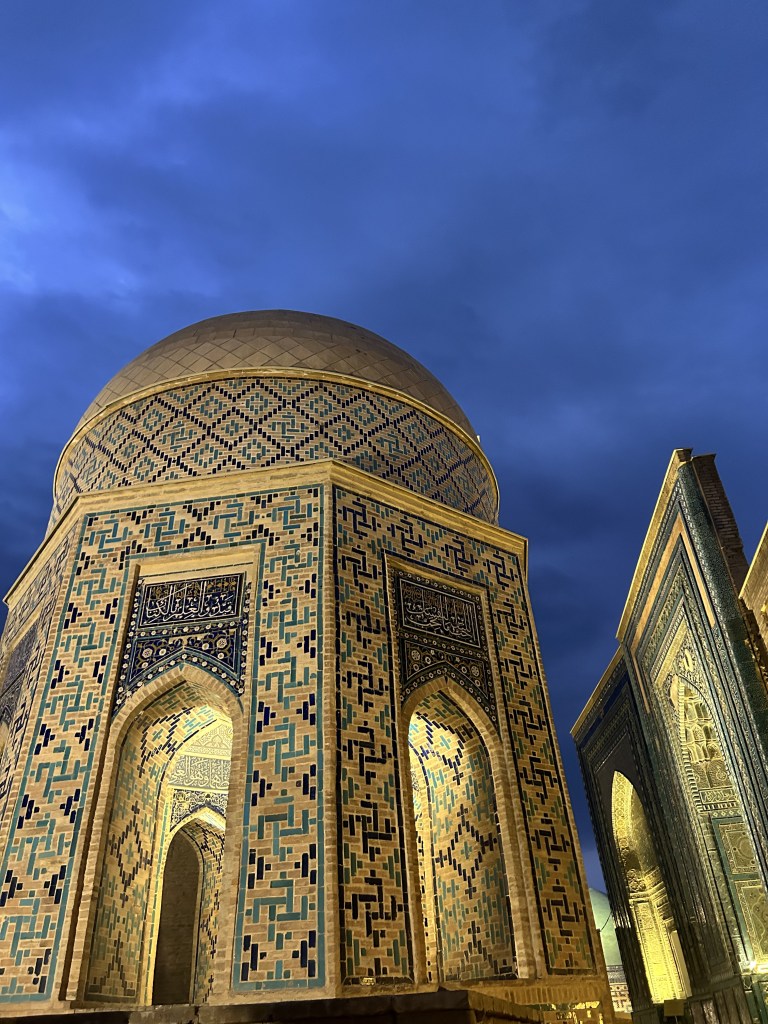
So, my answer to why was simply curiosity about places that had piqued my interest, plus, their closeness to Istanbul, a city I’ve wanted to explore for forty years, ever since an architect I worked for showed me his holiday snaps. I remember being in awe of the grand Islamic architecture, the aqua and turquoise tiles, the pretty patterns and ornate designs carved in stone and painted on walls. These elements, I knew, were also seen along the entire silk route. So, flying into and out of Istanbul, I had my desired holiday package.

A thousand photos and a journal later, I can say I had a good time and learned so…. much.

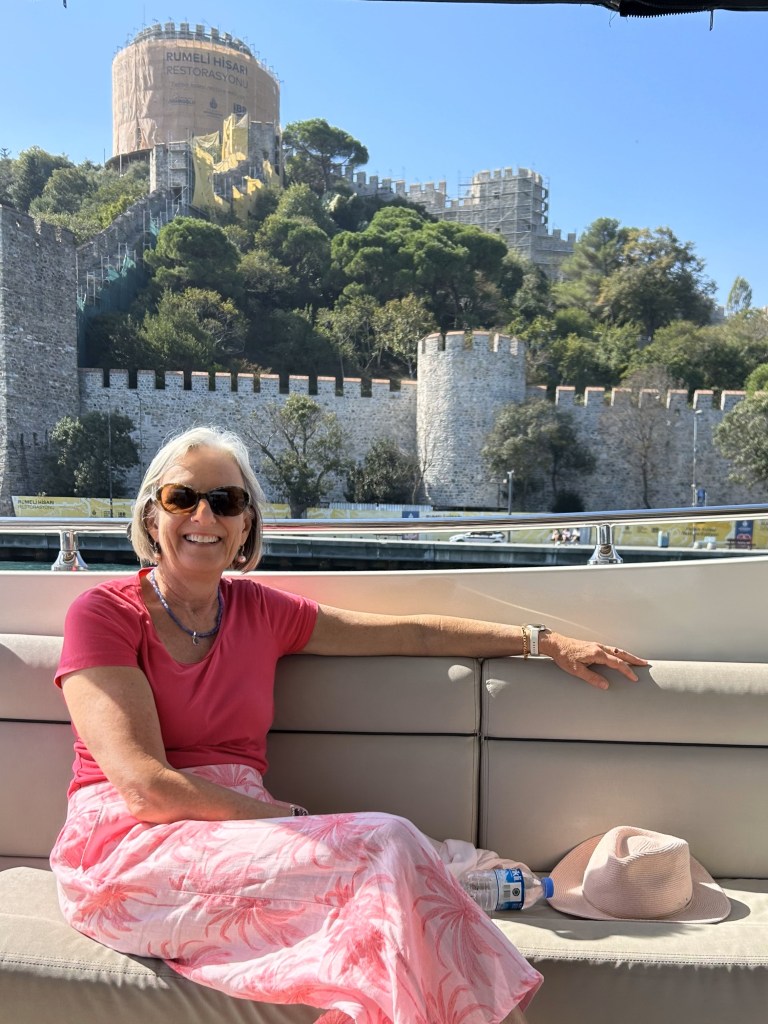
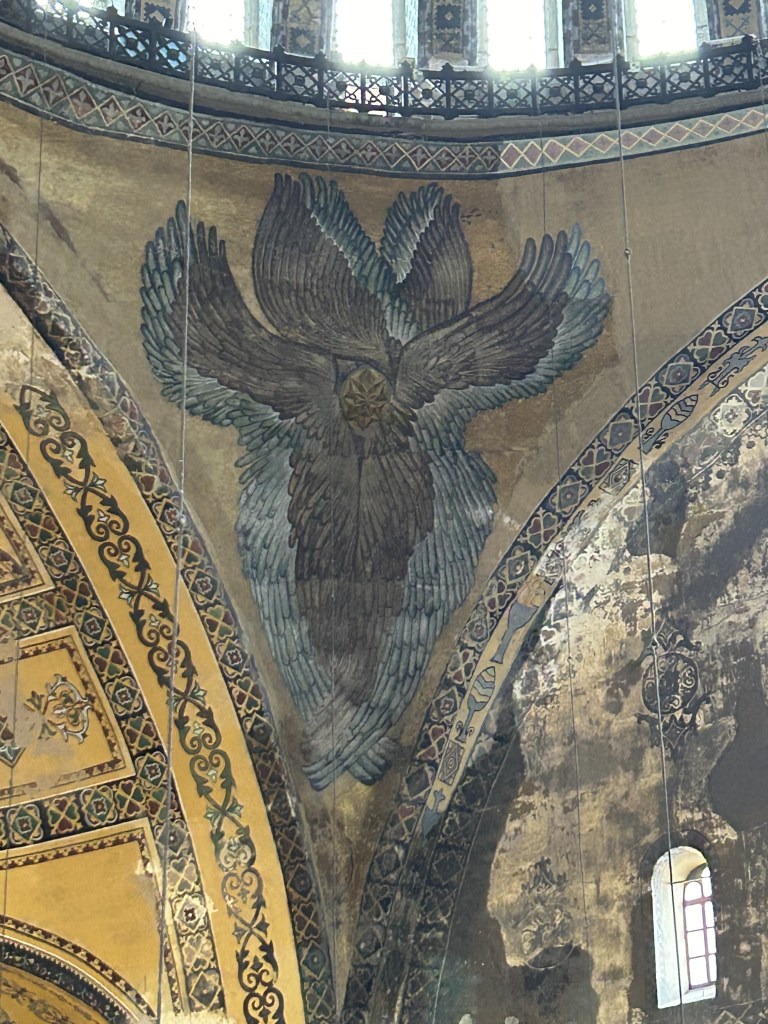
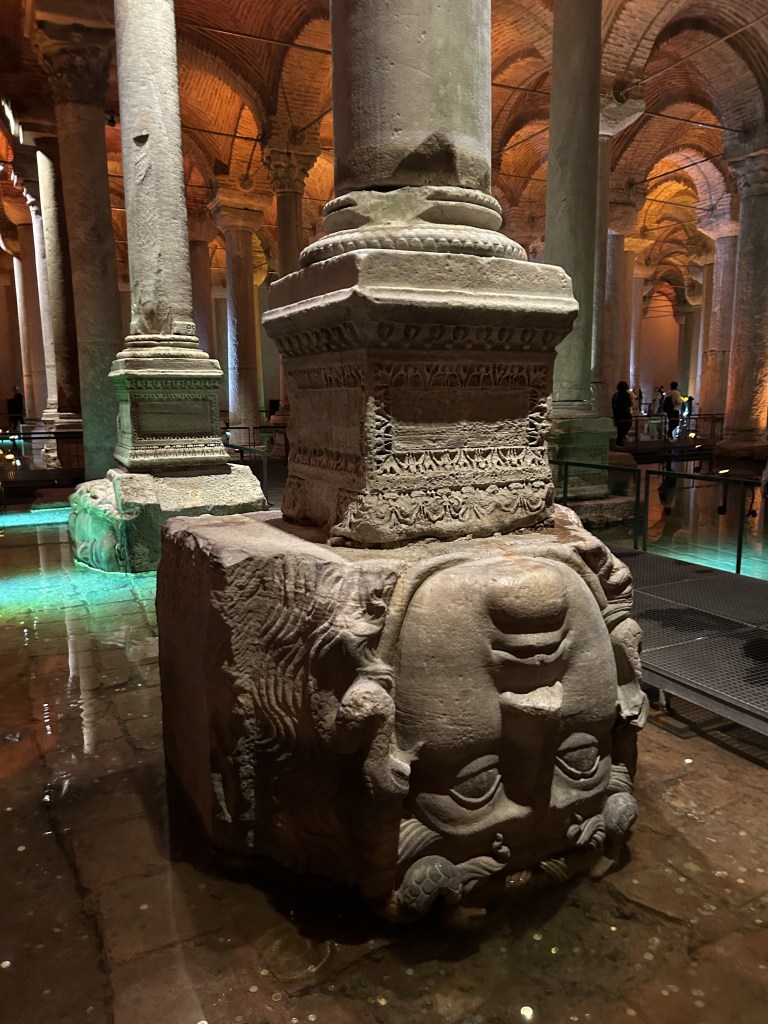
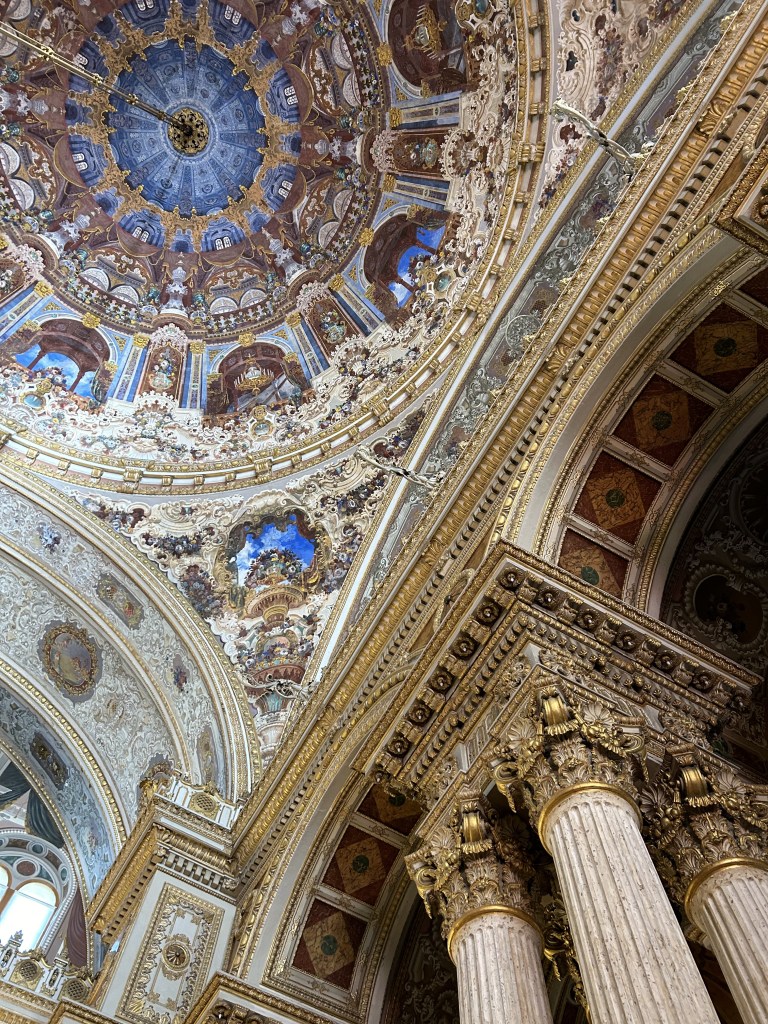
Istanbul didn’t disappoint. The Old City with the 6th century Hagia Sophia – the building that was the largest cathedral for a thousand years then converted to a mosque in the fifteenth century and houses works of art and symbolism from both faiths – and the underground Basilica Cistern – now a watery, sculptural gallery; the 17th century Blue Mosque with it’s gorgeous, glazed tiles; the Topkapi Palace with its museum of beautiful dining things – jewelled spoons and embellished ceramics. And the most fun thing – the indulgent and restorative bathing experience at the glorious, old city hamam https://www.hurremsultanhamami.com/en/. Think warm, white marble slabs, lots of hot water, a woman scrubbing your skin (if you’re a woman) and slathering you with liquid mud and bubbles and a soothing massage. Yes, it was divine.

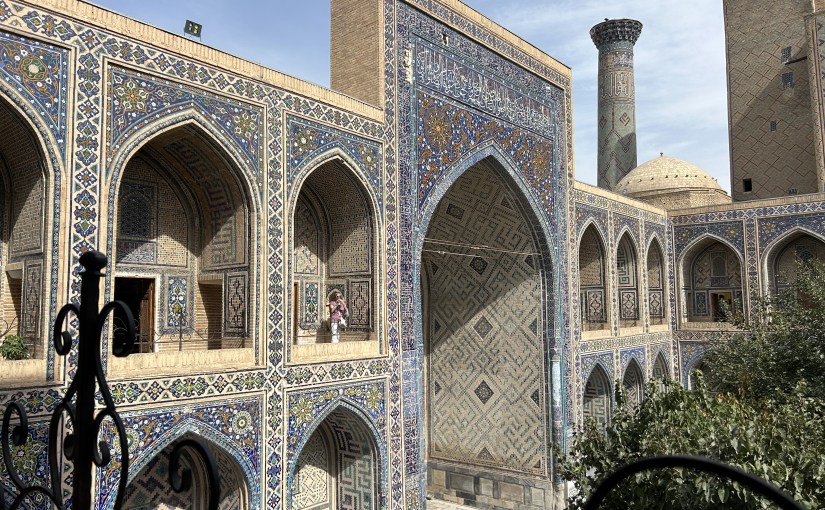
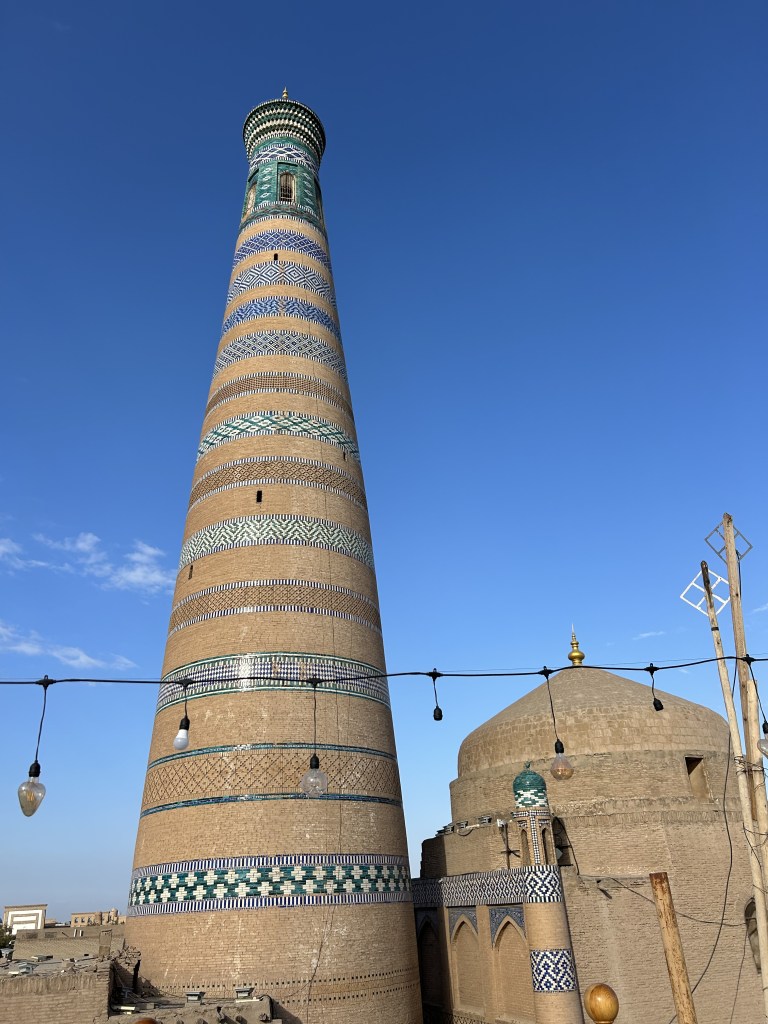
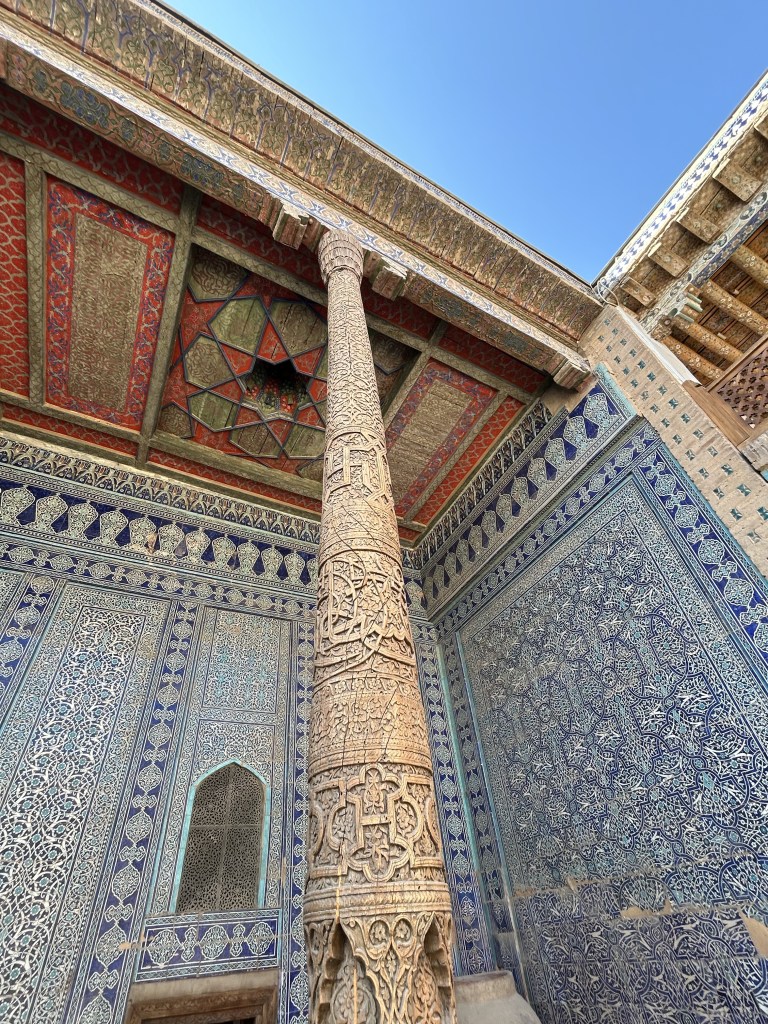
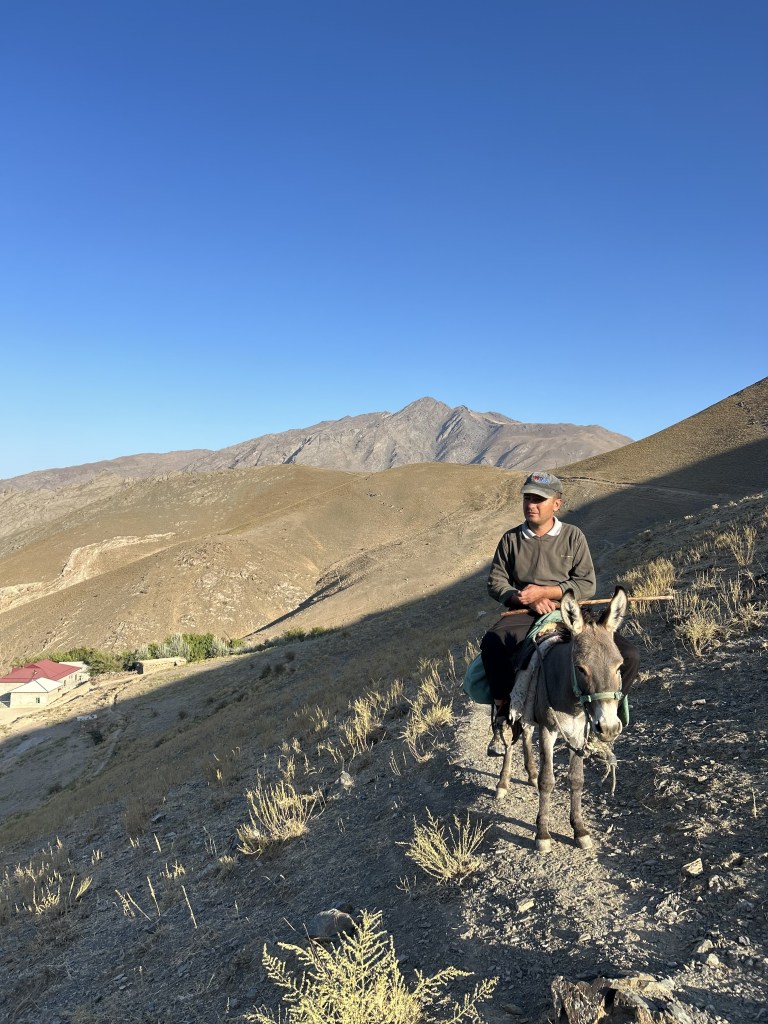
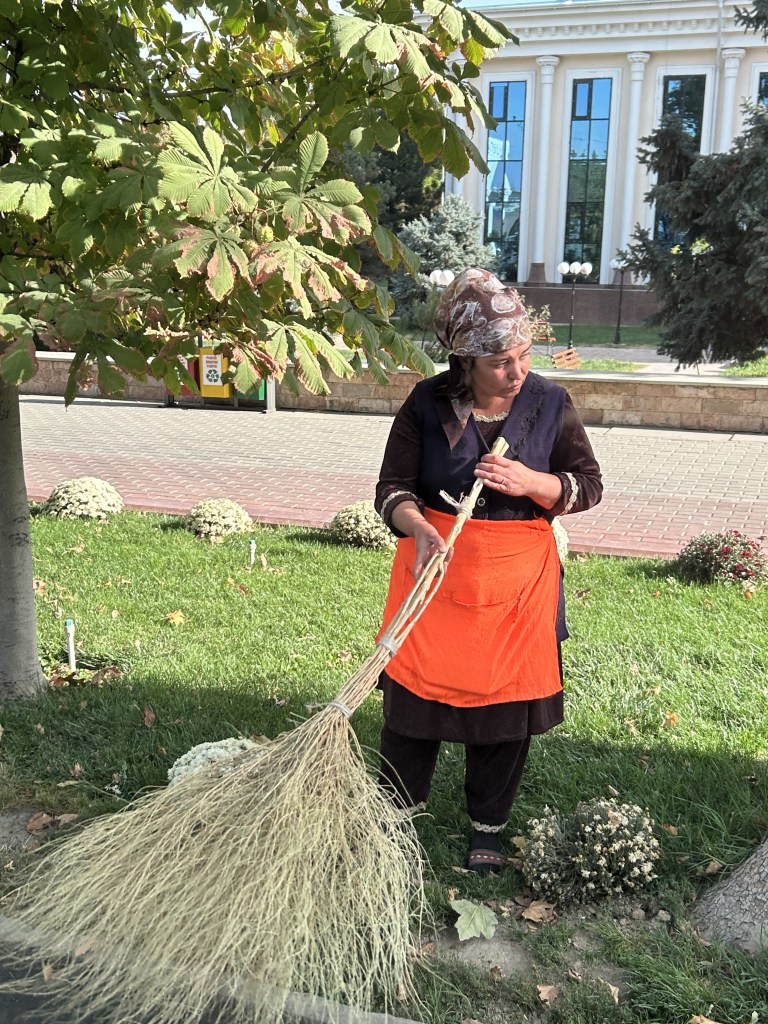
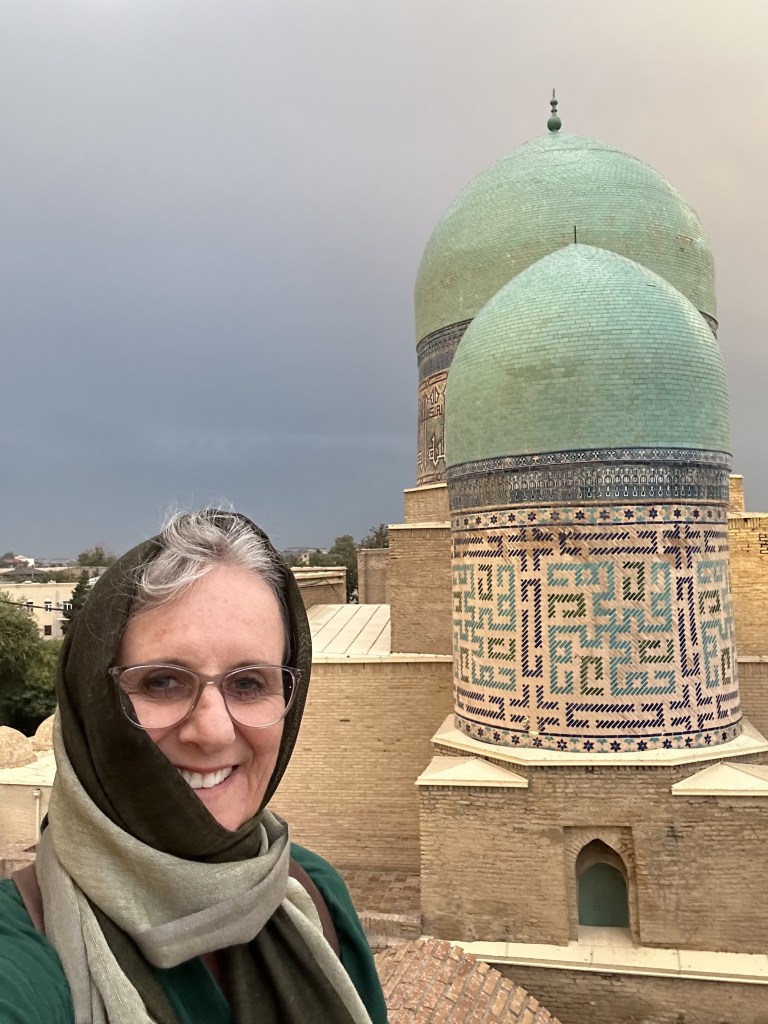
Then, on to Khiva, Bukhara, and Samarkand (Uzbekistan), UNESCO World Heritage, Medieval, walled cities. The architecture, the frescos and ceramic tiles, the symbolism of the Zoroastrian and Muslim religions, the religious universities (madrassahs), the scale, were all so impressive, particularly when I tried to imagine the thriving civilisations who once lived there and the astronomers and mathematicians and philosophers who began our scientific world.

Learning about the history of these places, I felt as inconsiderable as a grain of sand.

That’s a good thing about travel and history – they give us perspective, teaching us we should live our best lives and not waste time on trivial worries because soon enough, we’ll be history too.

In the fabulous city of Samarkand, I learned that kindness is still alive and well. I had been sick, but thinking I was better, went for a walk on my own. In a café – where I’d gone to rest and have a coffee and donut (the plainest thing on the menu) – I suddenly felt very ill. The next thing I knew I was looking up at a gaggle of Italian tourists who fussed over and soothed me through fainting, vomiting and language differences. They didn’t back off until the paramedics took over. Long story, short, the Uzbek waiter was so nice to me I wrote him a letter the next day praising him and apologising. Had it not been for these strong, generous, compassionate people, my experience would have been even more horrific.

Events like these can turn us off travel, but if it wasn’t for some difficulties, how would we ever know how helpful people can be and how resilient we are? And it’s the challenges that make the best stories, anyway.

Like the drive from Fergana across the mountain range to Tashkent. Not only were there herds of goats on the highway, but the weather closed in, and we found ourselves in a blizzard. Soon enough, the traffic was jammed, all drivers trying not to slip in the snow. A four-hour journey turned to seven, but we were grateful to arrive unscathed.

Fortunately, that night we weren’t sleeping in either a yurt in the desert or a homestay in the mountains. On arrival at 9.30pm, we celebrated staying in a modern Hilton hotel (bypassing the sheik’s Rolls Royce parked at the door) and went straight to the bar.

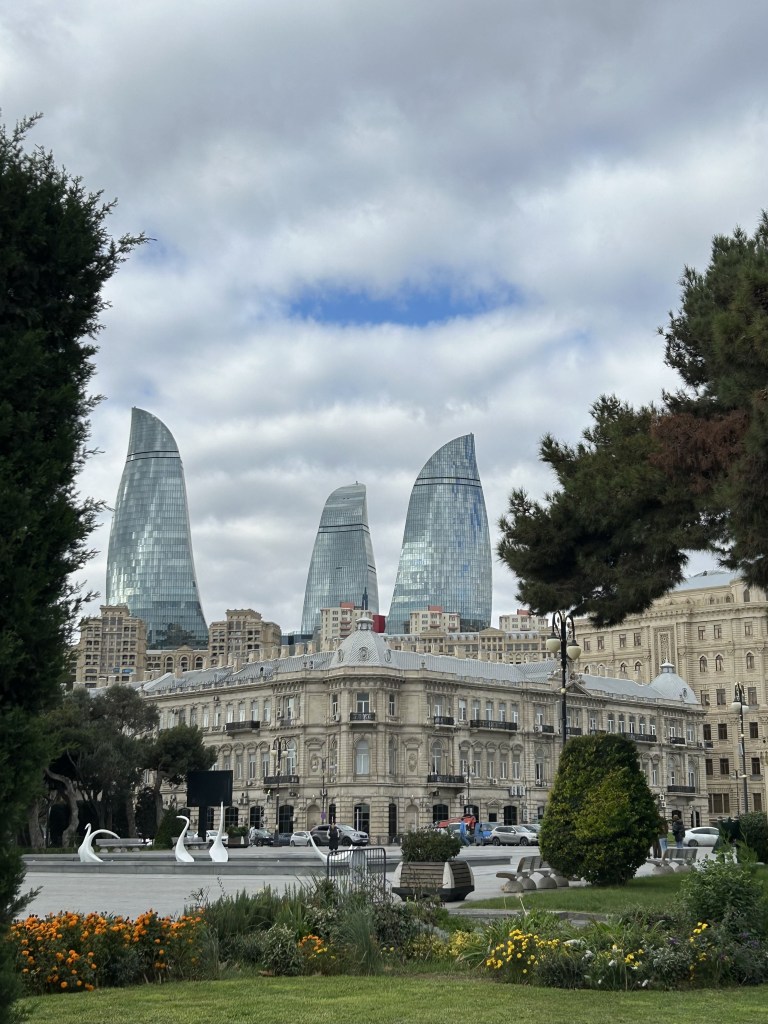
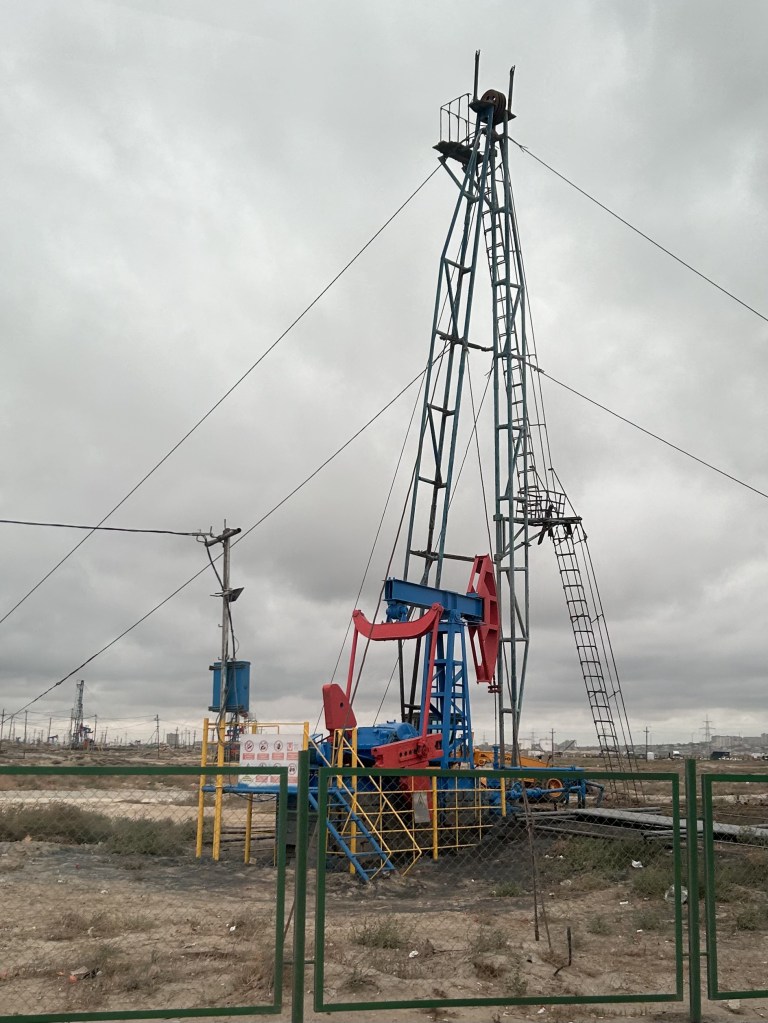
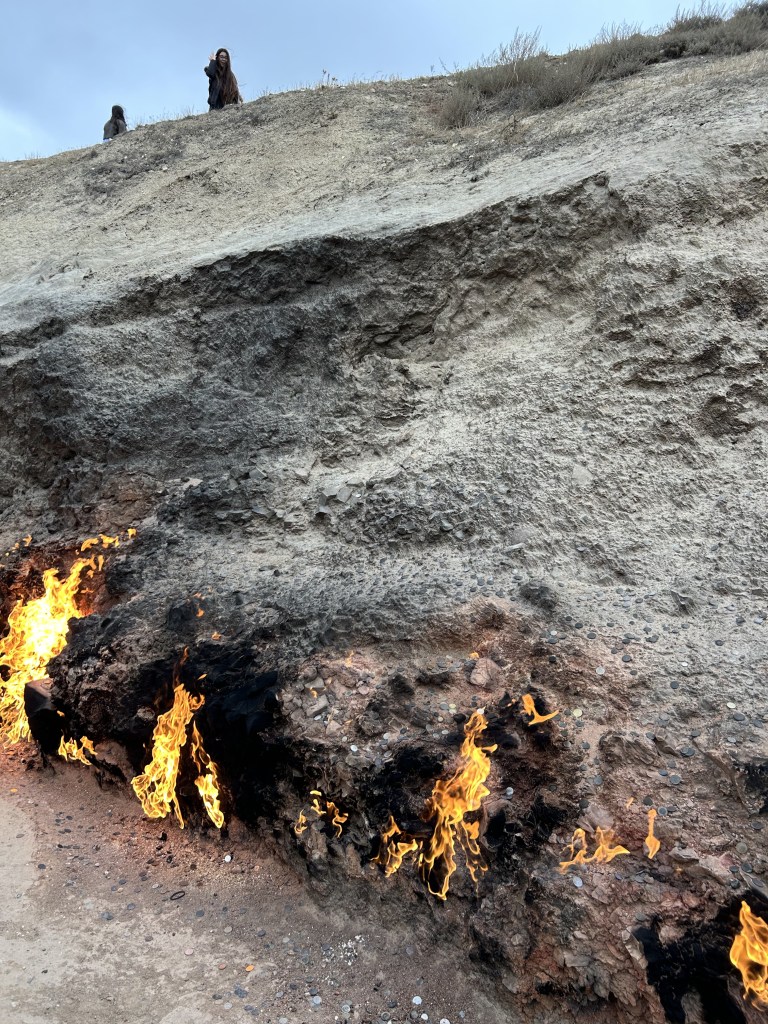
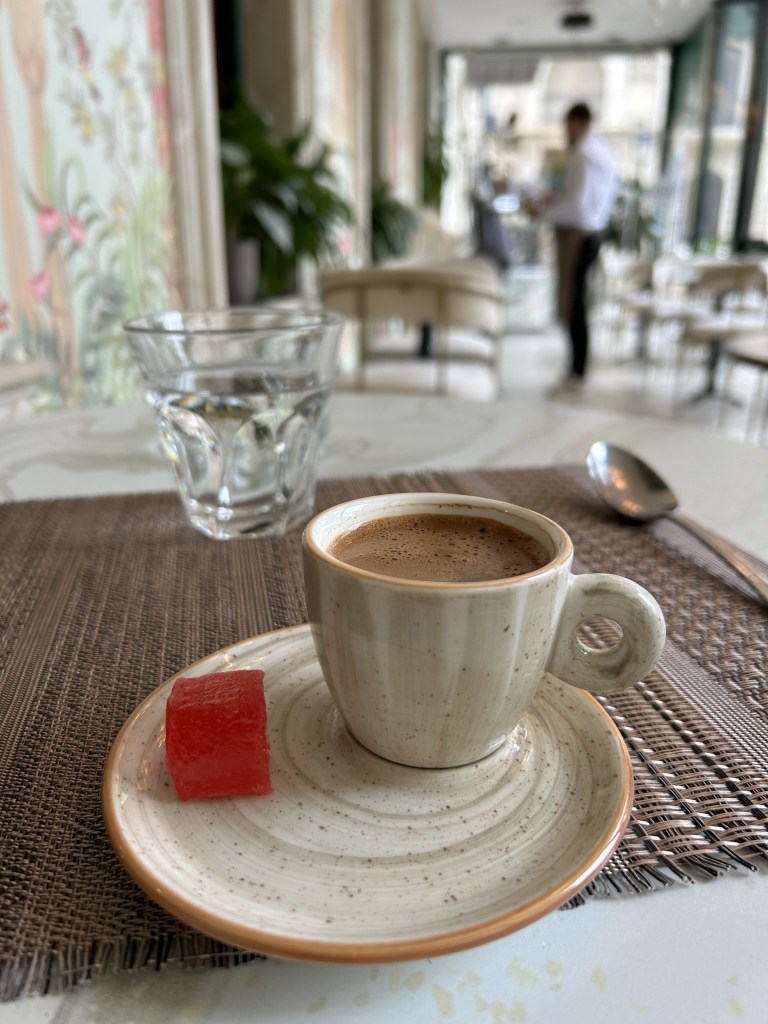
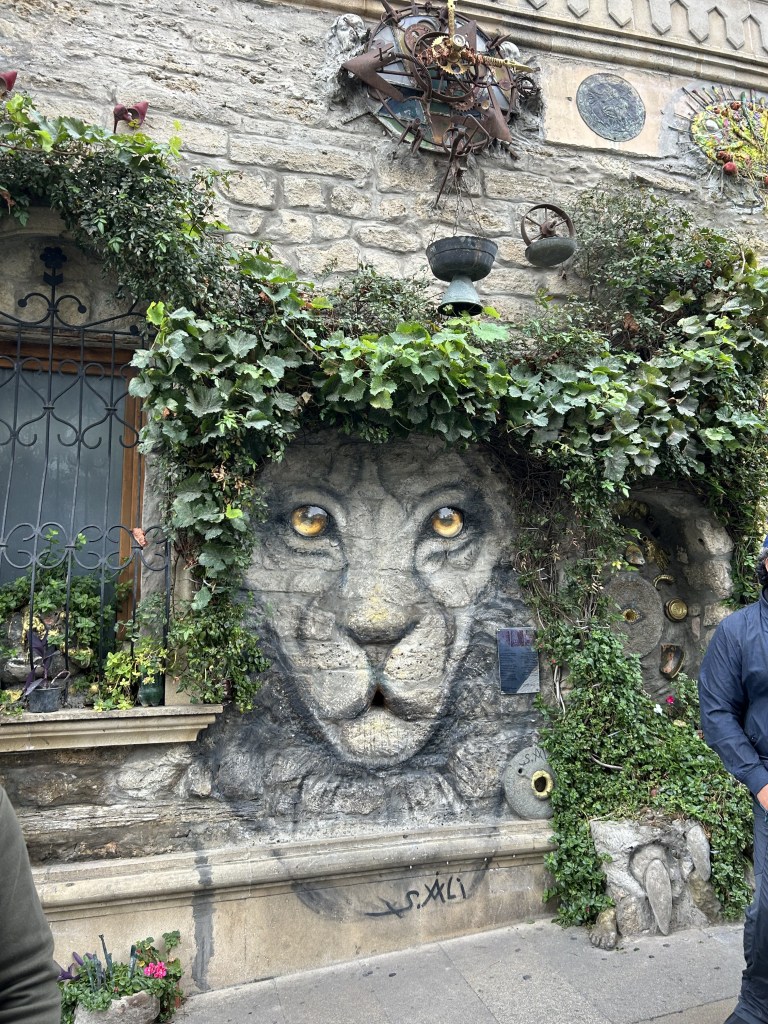
The final adventure was Azerbaijan. This modern city has exciting contemporary architecture, ritzy high-end shops, oil rigs galore and good restaurants with personality and music. The ‘inner city’ is the old city contained within ancient walls, in which people still live. An hour out of town are rocks with Paleolithic petroglyphs (ancient rock art), plains of bubbling mud and cracks in the earth that breathe fire.

I haven’t mentioned the silk embroidery or carpets but believe me, this history and the examples we saw were captivating. It was hard not to bring home a suitcase of mementos, too.

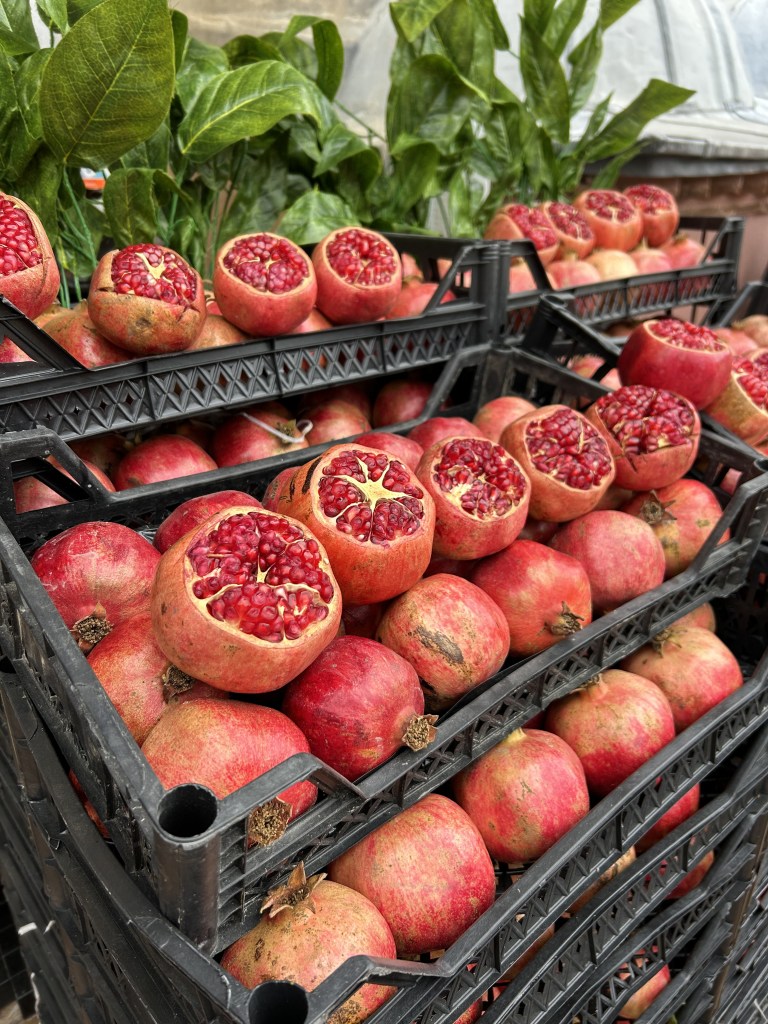
In all, I learned a lot about civilisations of the last two thousand years, about astonishing leaders like Genghis Khan and Tamerlane, about wars and takeovers, about Russian occupation and withdrawal, about religions living side by side (and not), about the early, great thinkers, and the evolution of the silk trade. I learned that all three countries are secular (state affairs are non-religious) and in Uzbekistan and Azerbaijan, the dominant Muslim religion is very relaxed. I dressed modestly out of respect and always felt safe. I ate pomegranates and baklava, photographed cats and walked a gazillion steps. My curiosity is sated, and my understanding of humanity, greater.

Perhaps it’s for this that we should travel anywhere at all.

ISTANBUL

UZBEKISTAN

AZERBAIJAN

Mindset Hack


Thinking that you GET to do things instead of thinking you HAVE to do them, is a well-being hack I picked up from scrolling through social media this week.

Having a few minutes spare, I opened Instagram to vicariously enjoy friends’ holidays. I paused as a Reese Witherspoon video appeared and being a fan of this brilliant woman, I chose to stop and listen to what she had to say. Yes, it would take the few spare minutes I had, but that’s what happens on social media, so stay with me.

She has credited Steve Guttenberg for this insight, but I’m sure neither he nor Reese are the first people to pronounce it. The advice is: instead of saying you have to do such and such, say, I get to do such and such.

It changes the mindset – the attitude you have to the task or the situation.

I get to rise at dawn so I can write more of my novel. I get to exercise each day so I can stay healthy. I get to work, go shopping, do the washing, clean my house, make a phone call, go to the physio, walk the dog… You get the picture. I’m fortunate I get to do these things.

Changing the words you use changes the way you feel. Instead of feeling weighed down by a have to, feel uplifted by a get to.

The get to generates gratefulness and positivity.

I get to write my blog once a month. I love doing it because I get to express things that interest me. But I often reach the time it should be published – like today – and feel pressured because I also have a novel to write and a life to live. We all feel pressured by the things we need to do, right?

So, when I woke this morning thinking, I have to write my blog, Reese’s video came back to me. I changed that thought to I get to write my blog, and I instantly felt a little burst of positivity. It was just enough to make me see I also have a choice as to how much time to spend on it. And here is the result. I hope that you benefit from it.  

Between Draft Blues

In the last six weeks I have written nothing to do with my novel. I’m in Pause mode, in the space between drafts. It feels like limbo, like I’m adrift at sea in a dinghy, unsure that I’ll ever make it back to the main boat to which I’m usually tethered. I’ve been patiently waiting on an author-connection to assess, edit and hand back my manuscript.

An established author who is willing to wade through the muck that is a first-time writer’s work, who is willing to pay attention and use her authorly skills to give advice that will better that work, is, in my view, a fairy godmother. My expectation was that copious amounts of magical instruction would be sprinkled over me like fairy dust, acting like a salve that had the power to transform and transfigure my rather voluminous housedress of a fifth draft into a silken, fitted ballgown. With sparkly glass slippers.

Unfortunately, the wonderful author is human, and this is real life and stuff happened that has prevented her from wading through that muck.

And so, I’m drifting. Directionless. How will I fill in time while I wait for another generous, willing author, to make her way through my storyland, planting seeds and slashing weeds along the way?

The first thing I need to do is relax. Many authors advise to take time off between drafts. At least a month, say some. I’ll come back to it refreshed and see it through a new lens, right? But what if I forget what I was trying to say? What if my characters forget to inform me?

I need to distract myself and focus on all the things I think of doing while I’m trying to write. There are a million things I could do varying from reading to exercising, short courses to socialising, redecorating to cleaning grout. Procrastination comes so easily when the manuscript needs work, so why not now? After utilising the initial month’s break for a two week adventure-holiday, catching up with long lost friends, and listening to writerly podcasts – all very satisfying – I’ve found the extra time has not been so productive.

Perhaps then, I need to revert to a schedule. Get up early, do something writing-related for an hour and a half, like I’m used to (I’ve just enrolled in two online writing courses!), read, exercise, listen to podcasts, research something of interest… Am I mad? What human that lives by a schedule doesn’t crave a holiday from a schedule?

I guess the problem is, I just want to get back to writing my book. I miss it, miss my characters, and miss the progress now that completion is finally in sight. It’s been a long journey. I’m in my sixth year of writing. It’s been hard with lots of heartache and angst and deprivation. But it’s looking like a half decent story worthy of the three women characters who are so brave and loving and formidable.

Waiting has always been hard. Patience needs to be practised.

I know I won’t forget the book’s message and my characters are way too keen to have their journey to let me forget anything they need to do. So, I’ll take a deep breath, step back, and let my sub-conscious and the Universe do what they do best: test me, teach me and make magic.

At least I’ve got time to get back to writing my blog.

Pushing Through: Writing Past Insanity

I don’t often write about writing but since I’ve been finding it challenging lately, I thought I could share with you why sometimes I think persevering with the writing of my novel is insanity, and why I persevere, anyway.

Firstly, for context, this is my fourth year of writing. I call the draft I’m working on Draft Four because I’ve started again four times. The beginning and end have never changed. The themes and characters haven’t either. The changes happen in the guts of the story and the quality of the writing.

The moments when I question my sanity come when I’m struggling with a scene; it’s the difficulty in creating a story that is right for the character, right now.

The thing is, there has to be a point to the scene. It has to have enough nutritional value for the character to grow or change in some way. There has to be a reason for the chicken to cross the road, and it’s not just to get to the other side. It’s what is going on in the chicken’s head or heart that the reader needs to understand.

And then, the series of scenes need to progress in such a way that the reader wants to go further with the chicken because they can sense that the chicken has great potential and will one day be the mother of all chickens.

The problem comes when the difficulty causes so much struggle that it provokes the fight, flight or freeze response. I glue myself to the desk and write anything because I won’t let it beat me and Liz Gilbert has drummed into my head that perseverance is the way. Or I find an urgent task to do, like rearrange the shoe cupboard, or go to Bunnings for, well, anything. Or I lie on the floor because suddenly, my body is so tired, and I think, how did I come to be doing this?

But then I remember why I’m doing it. It’s because I have a message and my characters are living and standing on the side lines, never leaving me, wanting me to write them in so they can convey it.

And also, because I’ve come so far. Let me explain.

I have spent so long on it that I couldn’t bear to have wasted my time. And I wouldn’t like to be judged a bailer, or worse, a failure. Especially by myself.

I have become a better writer. At first, I was a beginner. Learning a new skill takes time and practise, and with every draft, I’ve given my writing plenty of both. The expression and style have improved as my skill grows. Which reassures me even now, as I struggle, because I know I’m still learning, and I will still improve.

Rewardingly, as a person I have grown. Becoming skilful in something creates confidence. Persevering at something that’s difficult improves resilience. Writing a believable story requires understanding of human nature and the world we live in. I am becoming wise. I am transforming along with my characters. We’re in this together. I can hear them cheering.

Finally, the moments of struggle pass and the words flow. I feel sane and deliriously happy at the same time. Perseverance pays. I will do whatever it takes to cross the line. And whenever I can, I will stop to admire the scene. Eventually, this novel will be done.

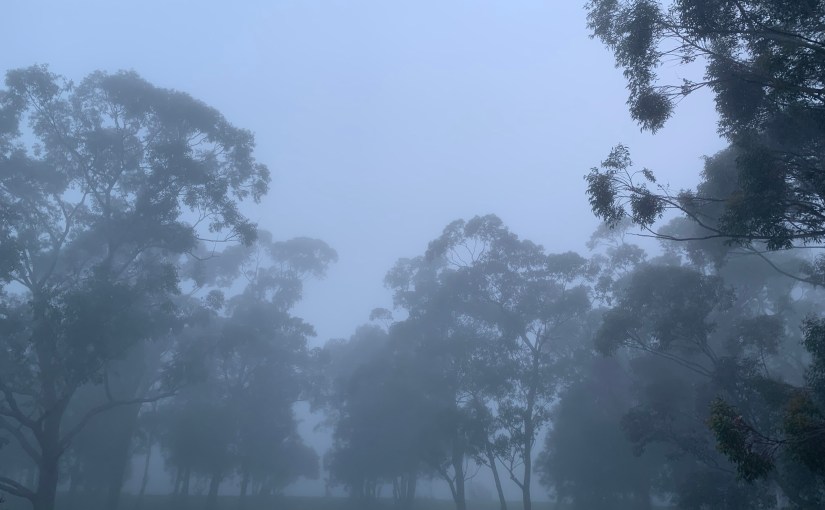
PS: To any struggling writers (or creatives) out there – You’re not alone and it’s worth pushing through. Imagine the struggle to be fog. When the fog passes, it will be a brilliant day.

The Pain That Makes Life Pleasurable

I’ve always got a bit of a buzz from doing things that scare me or initially seem too hard. So, when I heard a podcast the other day on the ABC’s All in the Mind on The Pleasure of Pain, I listened with fascination.

Apparently, an element of pain or suffering can give us pleasure through contrast: relief after a horror story, bliss after an ice-cold swim, relaxation after a workout, a happy denouement to a sad movie.

But what I found even more interesting, was that the degree of difficulty, struggle, and effort that went into your pursuit – not too hard, not too easy, but just challenging enough (the sweet spot) – affects how much we enjoy something and how much we value it.

This is true from doing a puzzle, to learning a skill, to playing a sport, to raising kids, to doing our life’s work.

So, it’s not just contrast but a feeling of mastery and control that are key. It feels good to put yourself in a bad or difficult situation knowing that you can take it, knowing that it’s under your control, knowing that you can or are doing well in it.

It’s the incremental progress, the struggle, the journey, that makes life enjoyable and interesting.

For me, personally, this explains a lot.

I like the thrill of a scary movie, or a roller coaster ride, or white-water rafting, or being on a glass walkway, or being in nature in the dark. These are small thrills, fears I conquer easily, but nonetheless, that give me pleasure.

Upping the ante, I have, in the past, liked to challenge myself to jump off rocks into the sea, a pursuit I find terrifying but compelling (only if my kids did it first). It was the sense of victory after overcoming the angst, that made it fun.

Currently, I’m in the midst of two pursuits that are scary, challenging, and involve plenty of pain.

I’m writing a book, which is a painful, difficult, tedious, time-consuming, and challenging process. It’s a high-end struggle that is totally self-inflicted. I get up every morning to an alarm and start the day with writing (and a cuppa to make it easier to do). I put the hours in, tear my hair out and question my sanity. But then it flows. It works. And I’ve written something I’m proud of. And it is so worth it, so satisfying, so valuable, that I strive to do it again. I’m climbing the mountain, a day at a time, and the peak is getting nearer. I know I’ve got this. I know what my purpose is. And the journey is worth it.

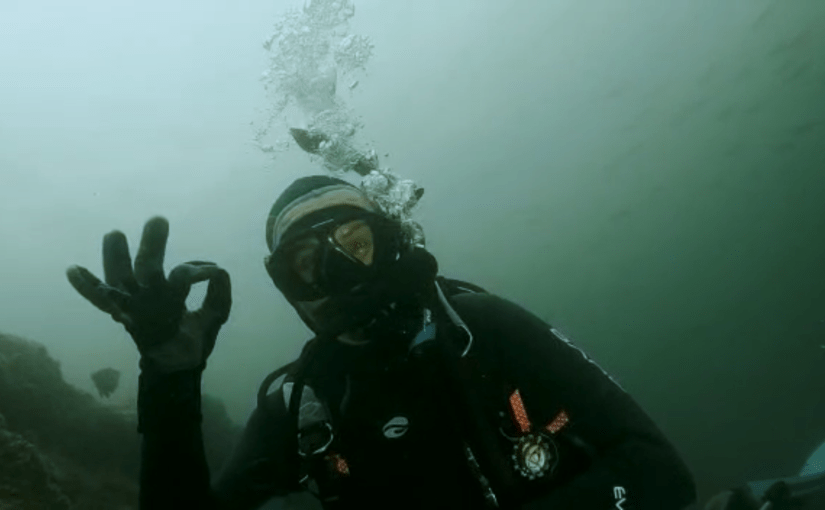
I’ve also taken up scuba diving again. I did it a dozen times when I was young, when I had friends who did it, when my husband was my buddy. But there was a long hiatus. Taking it up again on my own, when I’m so much older, has been somewhat stressful. So why did I do it? Apart from the obvious – it’s underwater hiking and I’m a sucker for nature – I think it was because of the challenge, the test of my courage. It’s horribly uncomfortable (all that heavy, bulky gear), makes you look terrible (bad hair, no makeup, googly eyes), and there’s a lot to learn. But the achievement is in staying strong enough, having an attitude of WTF, and knowing how to master all that gear and not die under water. I’m fully responsible for myself, something I’ve struggled with all my life. I am learning to be independent and have faith in my mastery of a skill. I’m losing the fear and it’s exhilarating.

I would highly recommend pushing yourself past your comfort zone and experiencing a bit of pain and suffering, whatever that looks like for you. It will give you a buzz like no other and make your life richer and more meaningful.

Life offers plenty of mountains to climb and we can all climb them our own way.

How will you choose to suffer for pleasure, today? 😉

PS. Remember that it is choice, that it is our own direction, that makes any suffering pleasurable.

https://www.abc.net.au/radionational/programs/allinthemind/the-pleasure-of-pain-v2/13777806

Writer’s Block in Lockdown

There are so many thoughts going around in my head, I can’t think of what to write. Perhaps it’s because I feel there is no way out.

Sydney in lockdown. An oxymoron. I am free but I am not.

It is a privilege to live in Sydney, a safe city where people move around without fear or restraint, a city where business thrives and social gatherings swell. Until now.

Now, suburbs have borders, workers and businesses are in crisis. There is financial distress and emotional distress. Society is contained within one’s own home, non-existent outside.

I miss sharing a meal with my family. I miss dropping in on a neighbour. I miss going to the movies. And I feel unusually lonely. I feel trapped as if I am caught in a cage.

I am one of the lucky ones. I, at least, have a meal. I can meet with a friend to go for a walk. I can move around my 10km circle, and I am not going to lose my home. And yet, I too am suffering. Just by having restricted freedom. I can’t imagine what true loss of freedom might be like and I sympathise with those people whose lockdown is worse. All I can offer you are words. And right now, they are stuck in my head, my own sub-conscious lockdown.

Thoughts need space. They need time. If I choose to stop suffering and instead appreciate how lucky I am, then surely the thoughts will settle, and the words will find their way out.

No matter our lockdown experience, we would all do best by selecting our thoughts. Weed out the damaging ones and feed the healthy ones. Give them space. Give them time. Find things to be grateful for.

Sydney may be in lockdown. But in our minds, we are free.

Today’s lockdown goals: Go for a walk in my suburb and find a blooming wattle tree. Sit with my thoughts and create an abundance of blossoms. Write.

What are yours?