The Small Challenges of a Hiking Trip in Slovenia and Croatia.

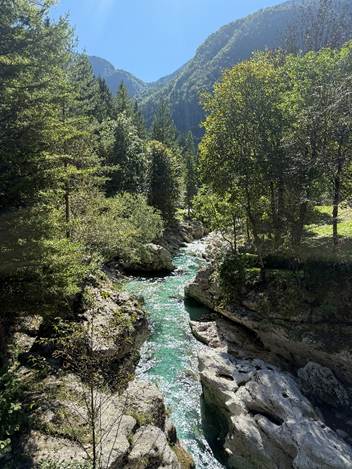
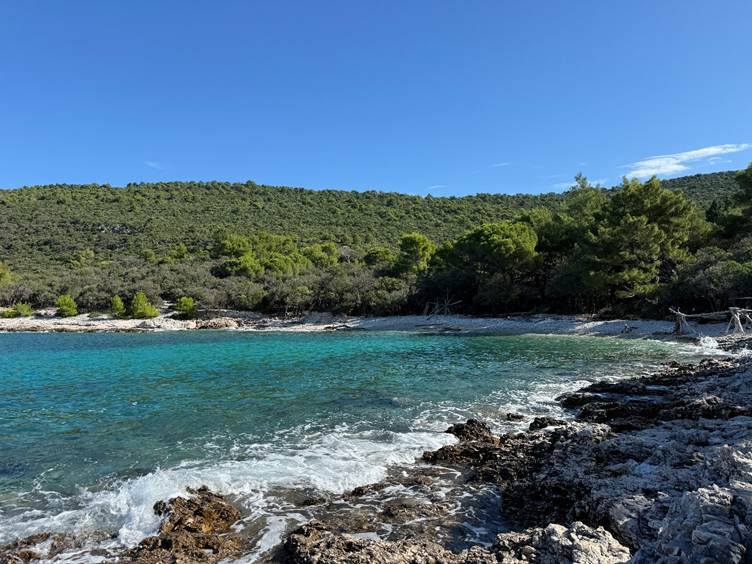
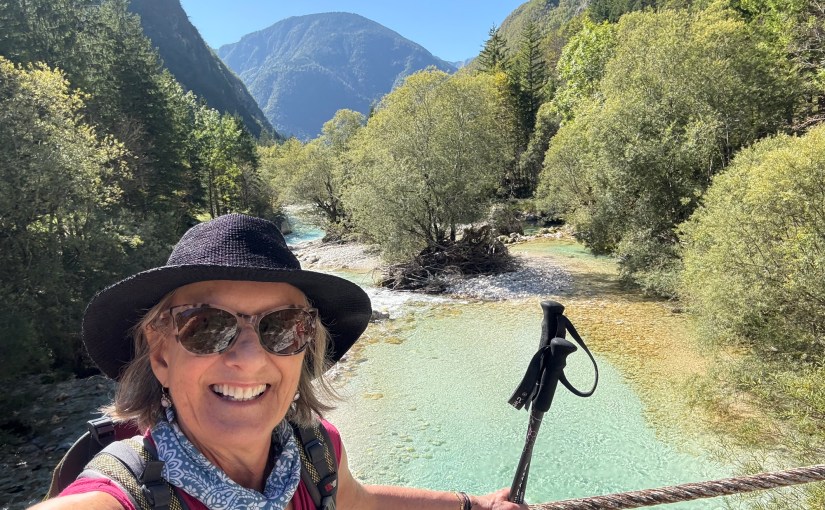
Last September I went on a trip with an all-female, hiking group through Slovenia and Croatia. It was fabulous and the scenery was even more stunning than I expected. The tour was twelve days of activity, some of them hard work, carrying our day packs and our bodies up and down mountains and along forest-dense gorges that followed rivers so glacial-green they looked almost as cold as they were. Some days were practically strolls in comparison, meanders along the Adriatic Coast where we stopped every so often to have a swim in the crystal-clear sea. It would be easy to rave about the wonders of each day, and in my last blog post I said I would. But I’ve decided there’s already enough raving out there in other blogs, documentaries and coffee-table books. The place is beautiful. If you can, go.

What I’m going to talk about are small challenges I experienced on the trip and what I learned from them.

I booked the trip a year in advance. Being a solo woman who loves travel and hiking, it was impossible to go past an ad from a company called Camino Women, a hiking group from Australia which was offering a guided multi-day hiking adventure in a region high on my bucket list. I paid a deposit quicker than I could do up my laces.

The year passed quickly, as years do, and despite torrential rain interfering with training and shonky knees getting shonkier, I was fit and packed and ready to climb mountains.

At the Meet and Greet in Ljubljana, the capital of Slovenia, the group’s two local guides led us up Rožnik Hill, ostensibly to see the view of the city but most likely to test us out. Of course, none of us wanted to be deemed slow, so all twelve middle-aged women climbed the hill at a cracking pace, clearly passing the first challenge of keeping up whilst talking. Our guides then explained that the terrain we had just experienced was a gentle taste of what was to come – tree roots, slope, loose stones and soil – and asked if we all had poles, which I didn’t. Telescopic walking aids had never been on my list and frankly, I didn’t really like them. But seeing the expression on the guides’ faces was enough to convince me I needed some before we left town. A hiking shop was found, and I chose the black carbon pair with pink lever locks for obvious aesthetic reasons.

When we set off on the first day, poles awkwardly in hands, it was wet. Lake Bled was mystically beautiful in the mist and the steep dirt track up to the lookout was slippery. I quickly learned how useful the poles were, anchoring three points (one foot, two tips) to the ground while clambering up and down ungroomed slopes. The other benefit was how much weight I could take off my knees, simply by using the strength in my upper body. I was an immediate convert.

What let me down that day was my poor choice of raincoat. Having opted to bring the lightweight one instead of my heavier, higher quality one, I was drenched by lunchtime and cold and miserable. Thankfully, that was the end of the day’s hike, and I was able to recover with a hearty hot lunch and a glass of Simčič, Slovenian red wine. Next time, though, I won’t skimp on my equipment just to save carrying a few extra grams.

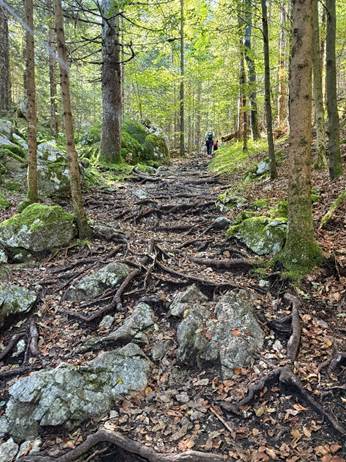
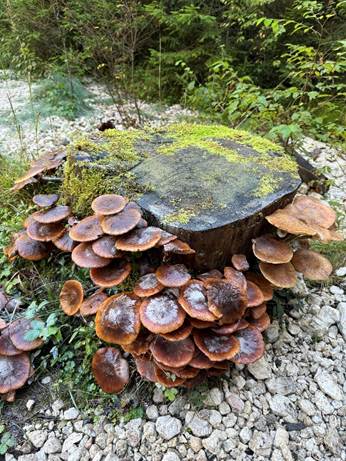
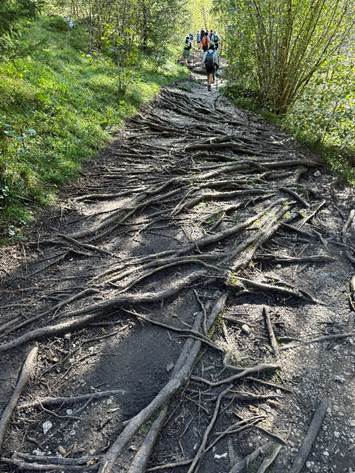
A constant challenge was the ground itself. Slovenia is predominantly limestone, a rock that can be smooth and slippery, or like shattered marbles shifting underfoot. Stones big enough to tread on can be jagged with edges like blades, and unstable. Where the soil is shallow over the limestone base, roots of trees criss-cross the track like scenes from a horror movie. Each step needed to be taken carefully and time and time again, I was grateful for my poles which saved me from tripping or twisting an ankle. Looking at the ground so much did mean having to stop to look up now and then, but even along the track there are things to admire: lichens and mosses, fungi and teeny flowers, worms and the occasional small snake. What’s right in front of you can be the best view.  

Of course there were the challenges of being in a group: getting along with multiple personalities, sharing a room when you haven’t shared since you were married, being ready on time, and fitting in with a schedule. But these are the things that make group travel fun and easy too. There’s always someone to share a story with or learn from, someone who’ll lend you something you don’t have, or collaborate with when you want something different. In this group we bonded over tea. It wasn’t readily available in Slovenia (who knew that was possible?) and half of us were addicts, so finding, storing and sharing tea bags became a thing. I don’t know that would have happened in a mixed-gender group. Women know how to look after one another and are sympathetic to such critical needs. We can hunt and gather and be honest about our feelings. And particularly in a hiking group, the women are likely to be strong, uncomplaining, make-up free, and unpretentious. Certainly, this group was. Getting along was really no challenge at all.

I’d be happy to do a trip like this again. The benefits of challenges and learning aside, immersion in nature and a new culture with a bunch of purposeful, wilderness-loving women could hardly be bettered.

My poles and I became best friends and despite being chosen for their looks, they stood me in good stead right up until the end. On the last day I fell sideways on sharp rocks, and one took the brunt. As I lifted myself up and saw it snapped in two, I felt like it had sacrificed itself for me and nearly cried. A friend behind said, thank God it wasn’t your tibia. True. That would indeed have been a challenge too awful to bear.

https://caminowomen.com.au/

Is Travel Worth the Trouble?

It’s been said that we travel not to escape life, but for life not to escape us. As I faced my most recent travel trials, I had pause to reflect on this and wonder if it was true.

I enjoy my life at home. Fortunately, I have no reason to want to escape it. I’m retired; I live by the sea; my friends and family are nice; the climate is good and there’s little danger. But I’m often tempted by images of other beautiful landscapes and stories of different cultures and find myself hurtling towards another trip, just to experience more.

When we’re travelling, we’re learning, we’re adjusting, we’re seeing, hearing, smelling, and feeling new things. That’s where the statement proves true. Life is bigger. And even when there’s challenges, as often there are, it’s worth it.

On my way to Croatia from Sydney, I hadn’t even left Australia before I faced my first one. A one hour stop in Perth grew into twenty-one hours due to a mechanical problem. Six hours waiting in Perth airport turned into a scramble at 10.45pm for one of the few taxis around, an online search for a hotel (thank technology for smart phones and Booking.com), a late night dinner order, a one hour phone call to Webjet to change my connecting flight Rome to Dubrovnik (I can’t praise Webjet more highly for sorting this out for me), an email to my travel agent to cancel my first day’s arrangements and another hotel booking for my midnight arrival in Rome. By Sydney’s clock, it was 2am by the time I was able to rest. I had achieved what I needed to, despite not normally functioning well at night, despite being afraid of failing somehow, despite not having anyone to share the stress with. I went to bed feeling it was all par for the course and proud of myself for managing. When my fellow travellers and I congregated at the gate for the flight the next day, we felt friendly and exchanged stories about the night, the connections, the reasons for our trips. We were unified and while waiting for our luggage in the almost deserted Rome airport, we helped one another activate our eSims and gathered in a group to make our way to the not-so-easy-to-find airport hotel. There was a feeling of camaraderie which somewhat compensated for the vexation. As a solo traveller I find myself magnetised to smiling middle-agers (usually women) when I need support. A one-minute connection often resolves a problem or boosts my resilience.

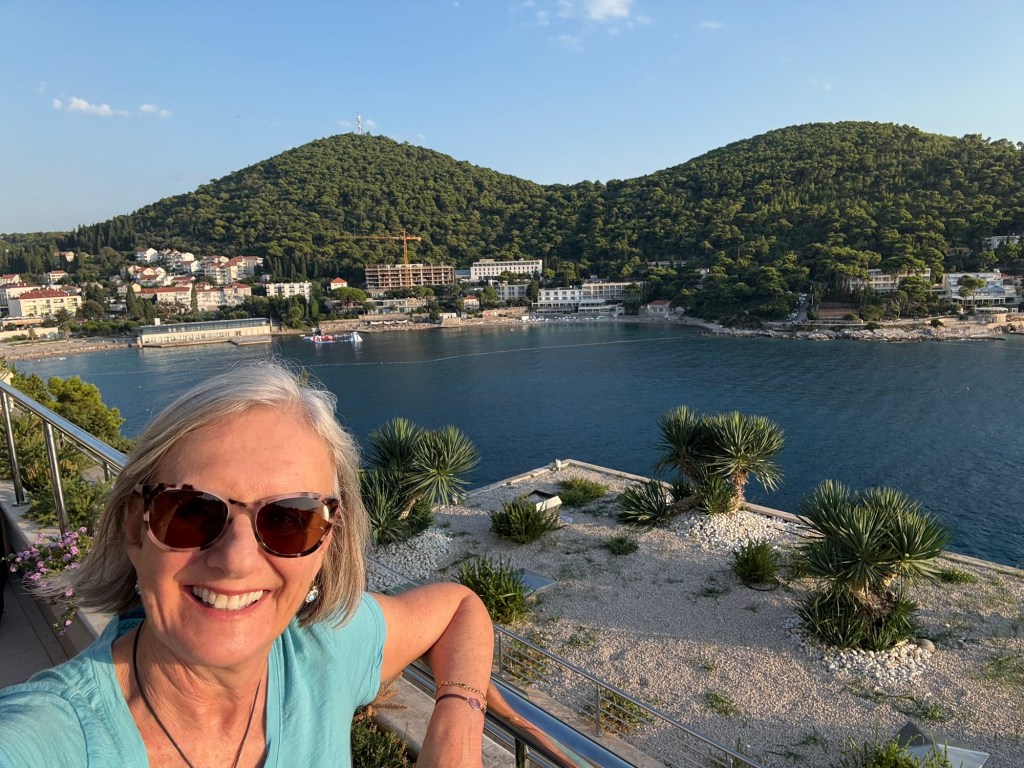
The next day, on hearing that an airport ground-staff strike in Rome (that followed the nationwide train strike) would mean my luggage might not get loaded, I stuffed essentials and two days’ worth of clothes into my carry-on daypack and headed back to the terminal. The check-in guy was reassuring – Don’t worry about it, he said in his thick Italian accent. So I chose not to. I had done everything I could to prepare for the worst and still felt optimistic about the best. When my luggage appeared on the Dubrovnik airport carousel, I was elated and excited again about my holiday. I had notched up my resilience level and learned I could cope. I was in a new land, and it was worth it. As I stepped into the sparkling Adriatic Sea and swam as the sun went down, I counted my blessings and acknowledged that life was indeed, not escaping me.

Next post, I’ll share my trip to Croatia and Slovenia, recommend some fabulous fun Must Do adventures and share my take on joining a small group hiking tour. It wasn’t all easy, but it was all worth it.

Arrival in Dubrovnik

Travels: Uzbekistan, Azerbaijan and Istanbul

When I told people I was going to Uzbekistan and Azerbaijan, many asked Why?

I admit, my knowledge of the place was limited to television documentaries like Joanna Lumley’s Silk Road Adventure  https://www.amazon.com/Joanna-Lumleys-Silk-Road-Adventure/dp/B091JNK3KC and Silk Road from Above, https://www.sbs.com.au/ondemand/tv-series/silk-road-from-above , but that was part of the attraction for me: not knowing a lot meant learning about it, first hand. I was drawn in by the idea of the first traders on camels, of wells and forts and ancient civilisations in the desert.

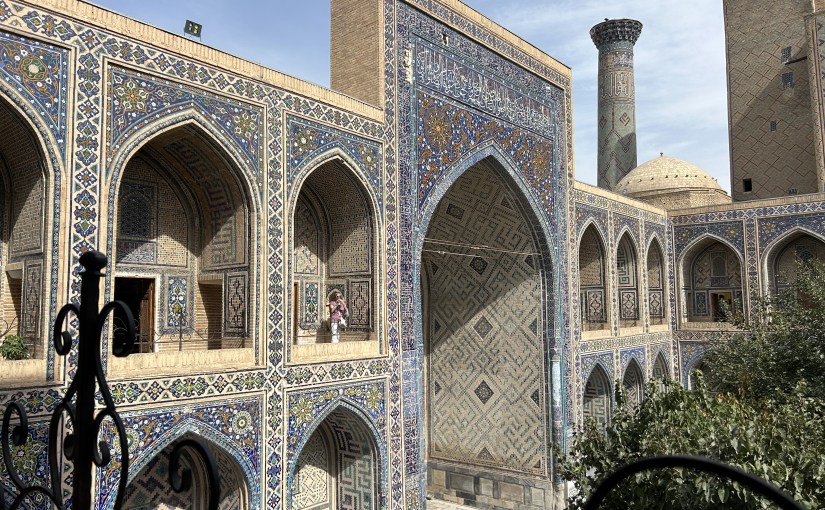
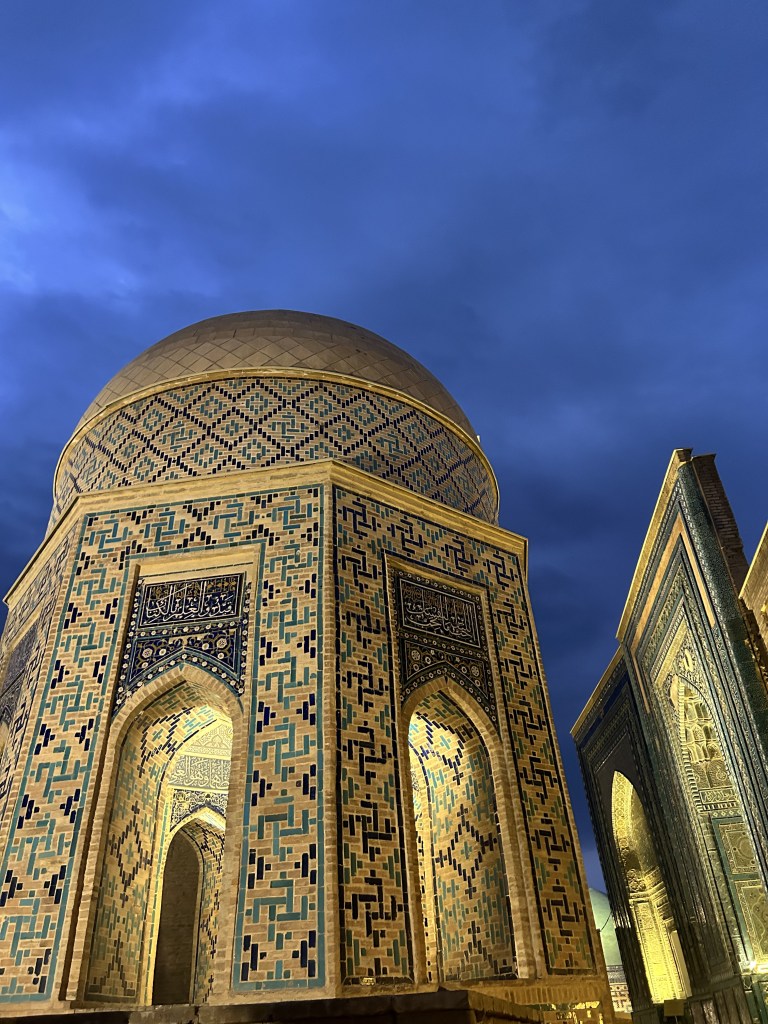
So, my answer to why was simply curiosity about places that had piqued my interest, plus, their closeness to Istanbul, a city I’ve wanted to explore for forty years, ever since an architect I worked for showed me his holiday snaps. I remember being in awe of the grand Islamic architecture, the aqua and turquoise tiles, the pretty patterns and ornate designs carved in stone and painted on walls. These elements, I knew, were also seen along the entire silk route. So, flying into and out of Istanbul, I had my desired holiday package.

A thousand photos and a journal later, I can say I had a good time and learned so…. much.

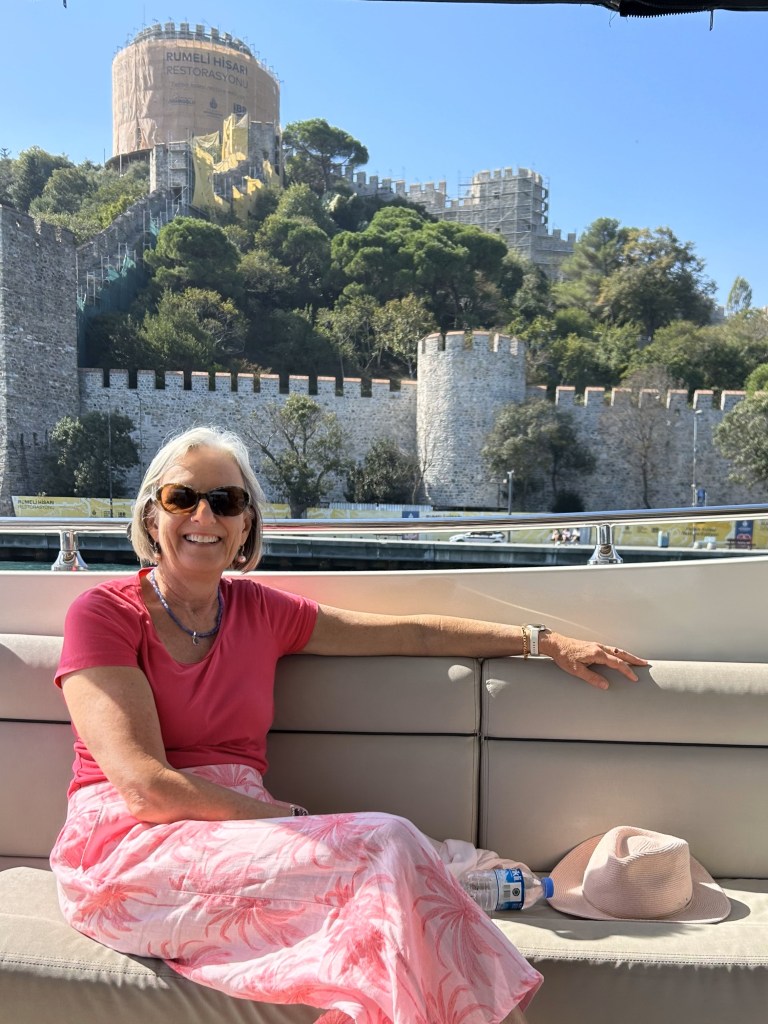
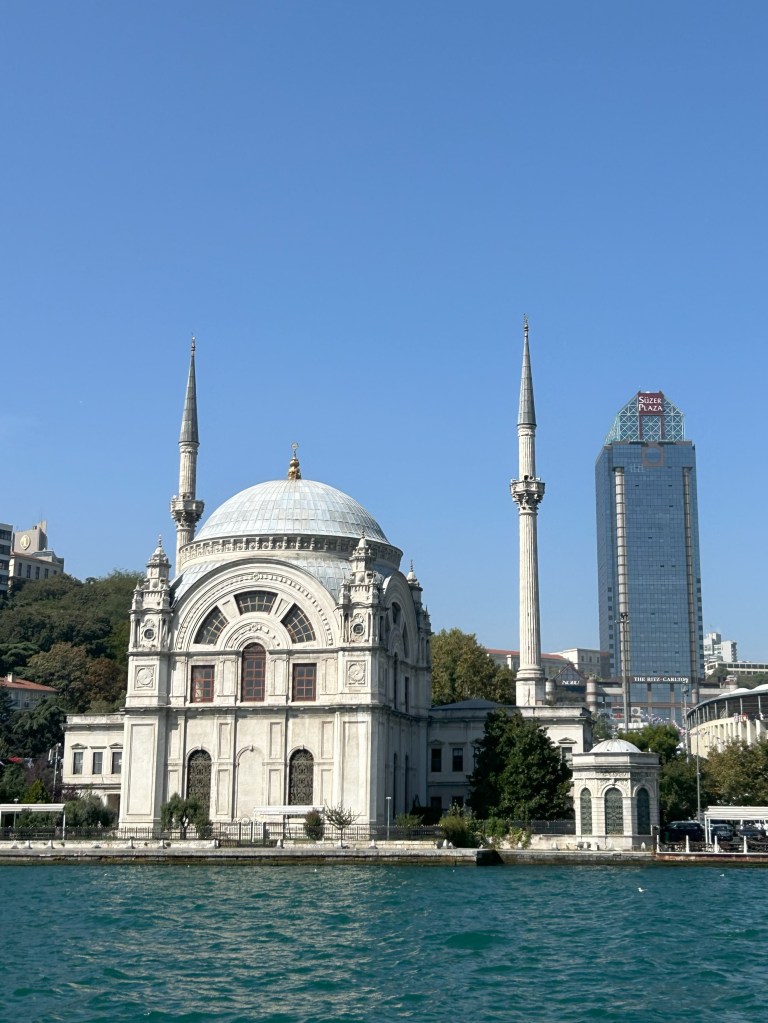
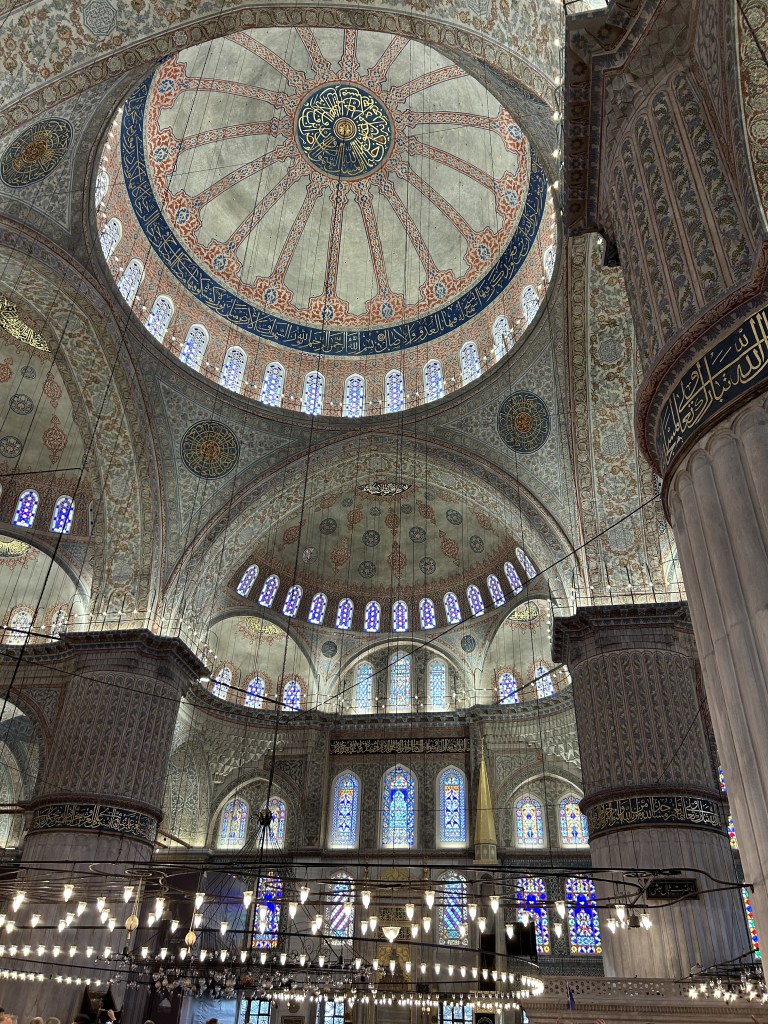
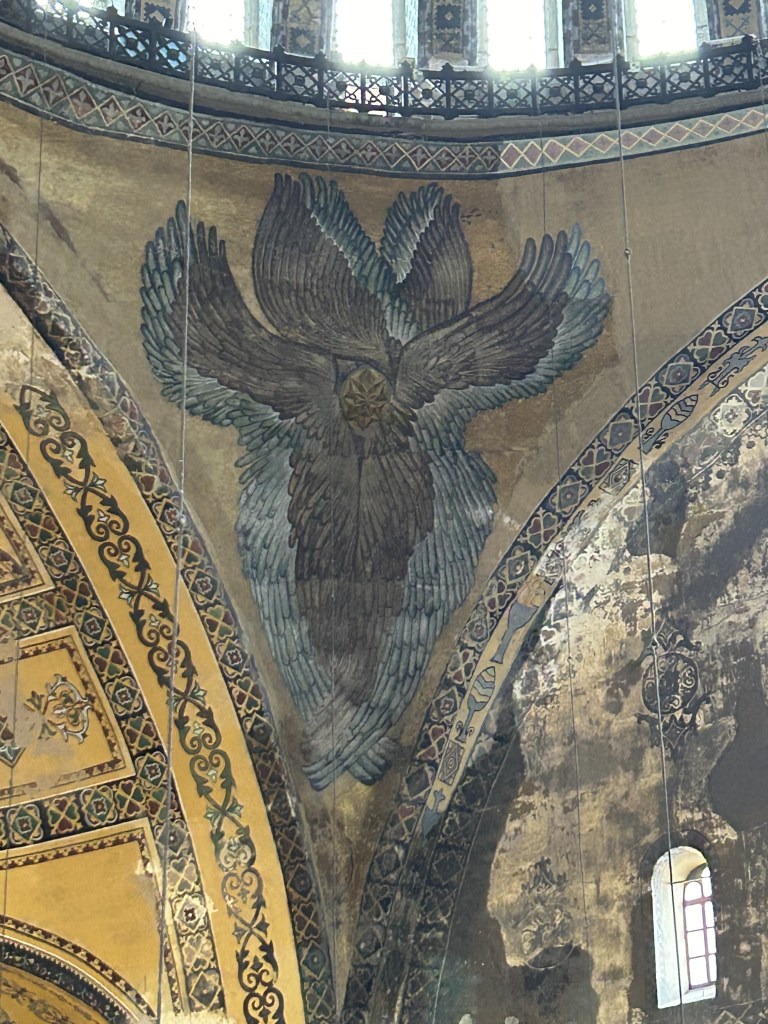
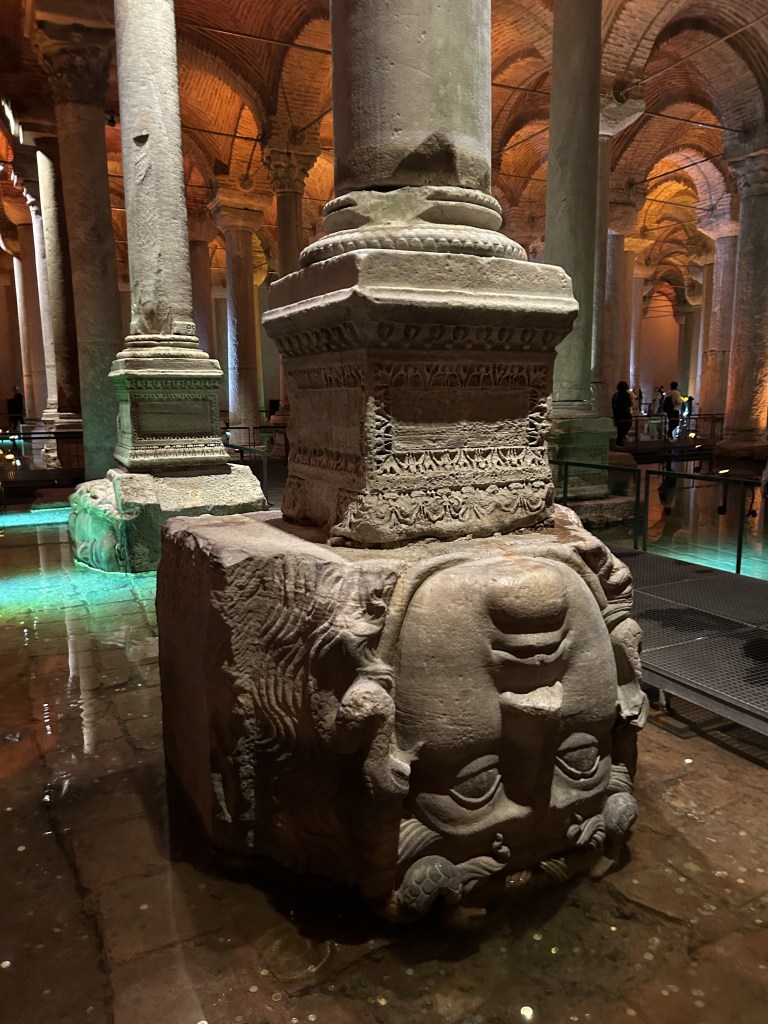
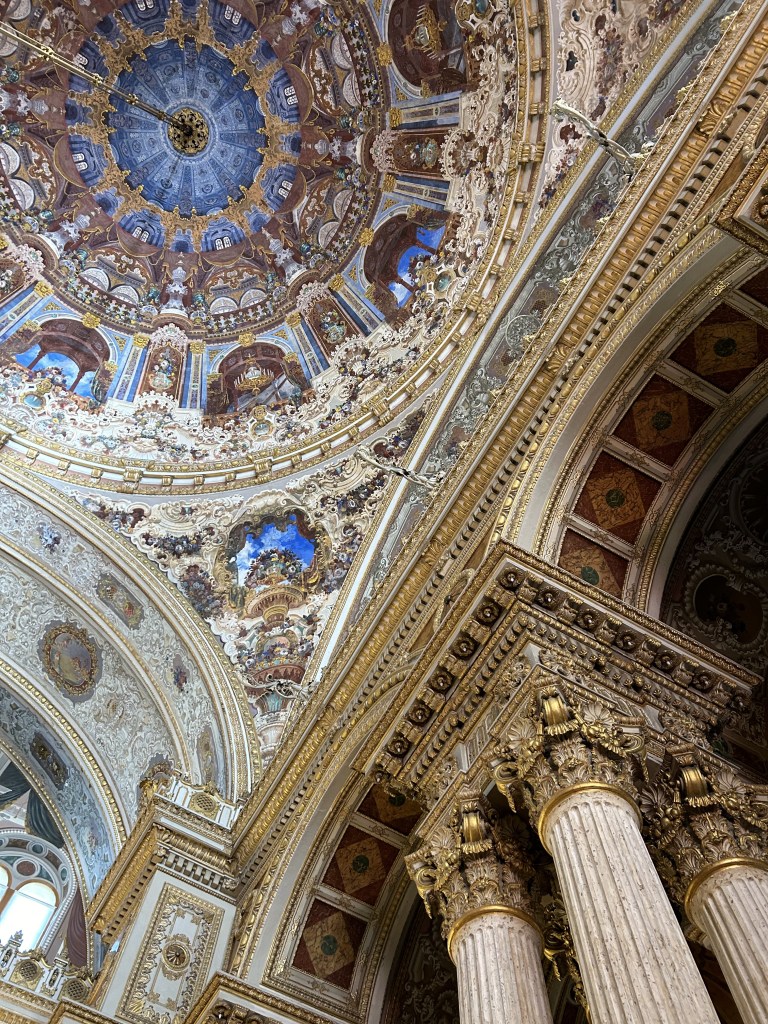
Istanbul didn’t disappoint. The Old City with the 6th century Hagia Sophia – the building that was the largest cathedral for a thousand years then converted to a mosque in the fifteenth century and houses works of art and symbolism from both faiths – and the underground Basilica Cistern – now a watery, sculptural gallery; the 17th century Blue Mosque with it’s gorgeous, glazed tiles; the Topkapi Palace with its museum of beautiful dining things – jewelled spoons and embellished ceramics. And the most fun thing – the indulgent and restorative bathing experience at the glorious, old city hamam https://www.hurremsultanhamami.com/en/. Think warm, white marble slabs, lots of hot water, a woman scrubbing your skin (if you’re a woman) and slathering you with liquid mud and bubbles and a soothing massage. Yes, it was divine.

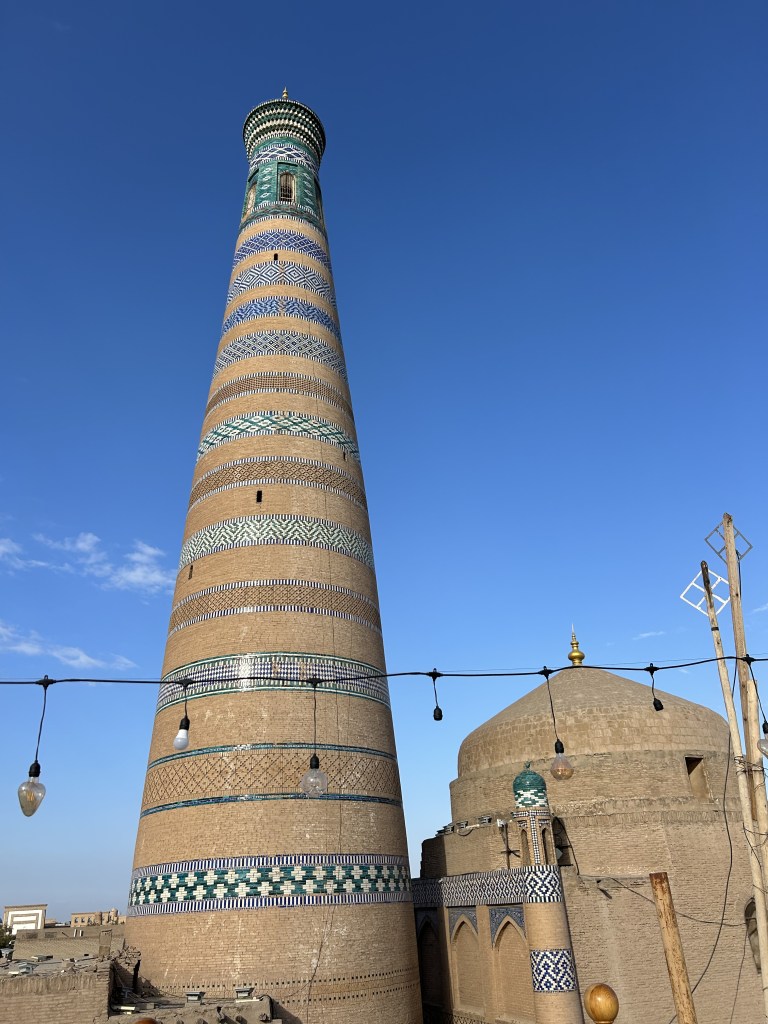
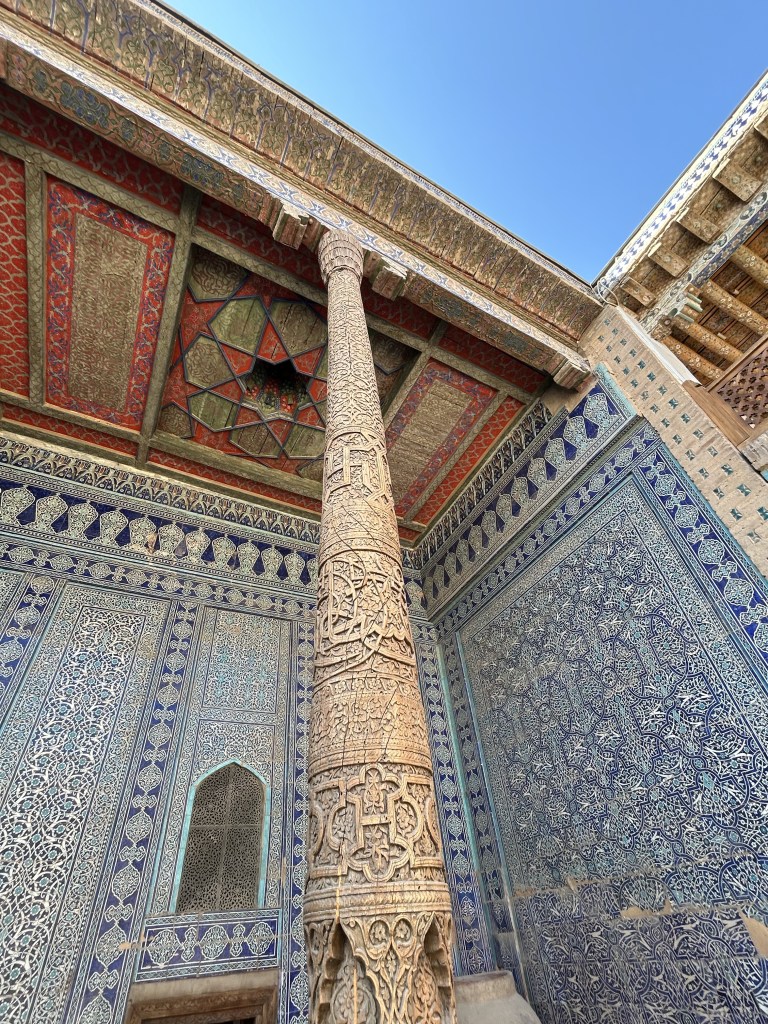
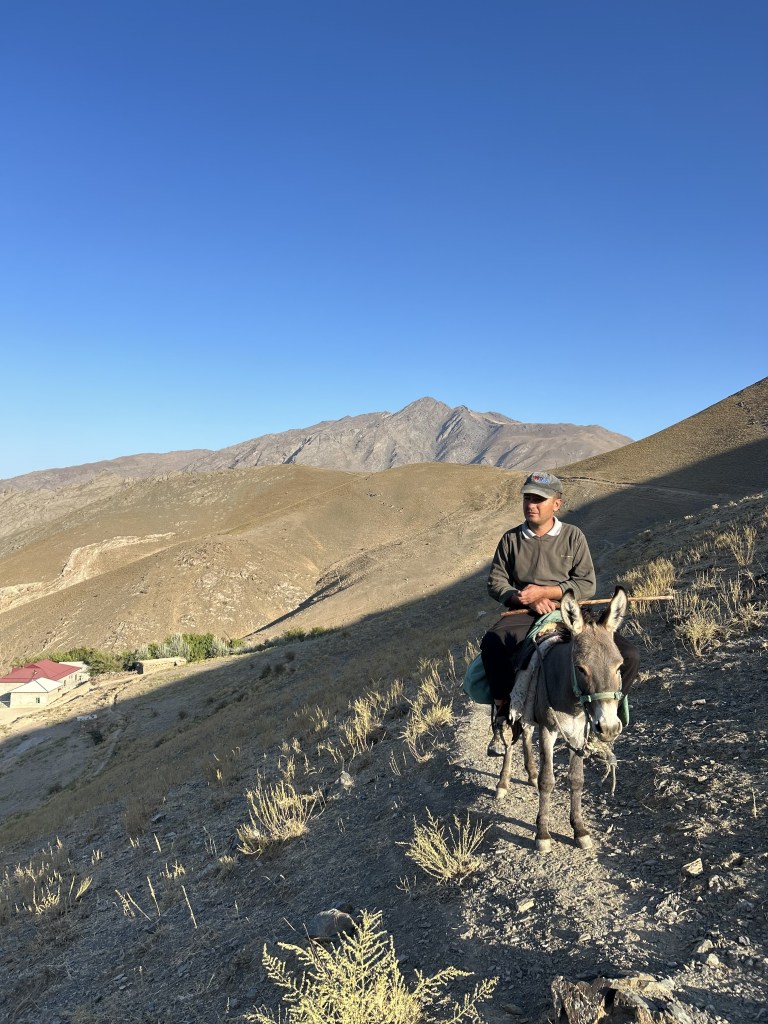
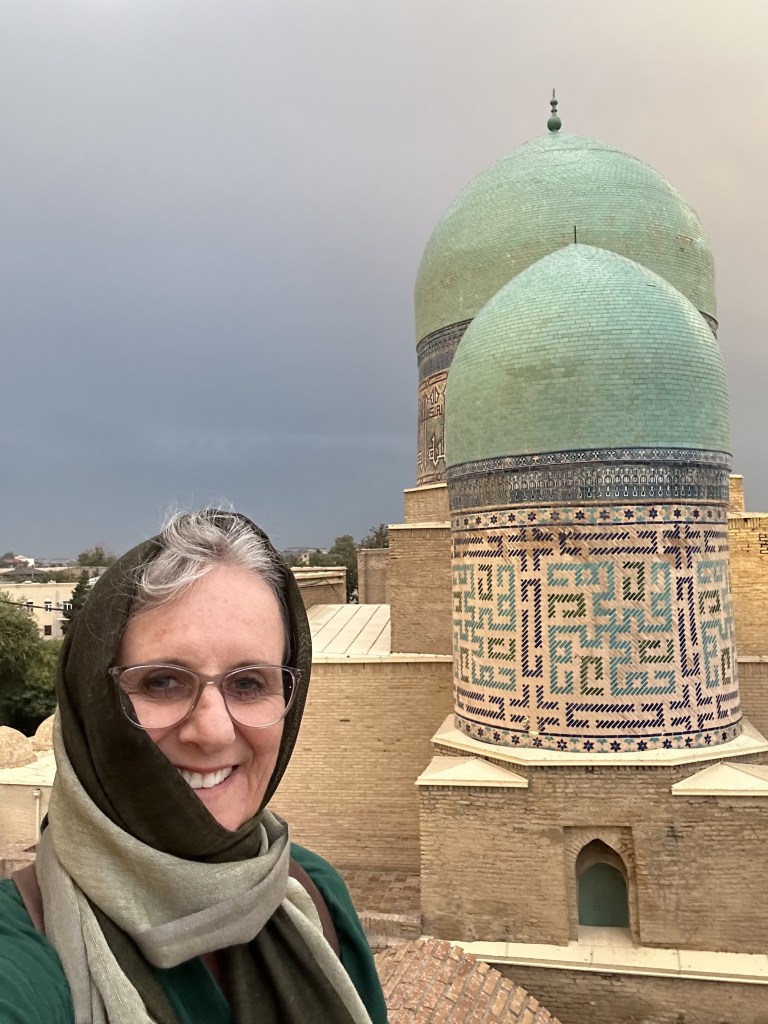
Then, on to Khiva, Bukhara, and Samarkand (Uzbekistan), UNESCO World Heritage, Medieval, walled cities. The architecture, the frescos and ceramic tiles, the symbolism of the Zoroastrian and Muslim religions, the religious universities (madrassahs), the scale, were all so impressive, particularly when I tried to imagine the thriving civilisations who once lived there and the astronomers and mathematicians and philosophers who began our scientific world.

Learning about the history of these places, I felt as inconsiderable as a grain of sand.

That’s a good thing about travel and history – they give us perspective, teaching us we should live our best lives and not waste time on trivial worries because soon enough, we’ll be history too.

In the fabulous city of Samarkand, I learned that kindness is still alive and well. I had been sick, but thinking I was better, went for a walk on my own. In a café – where I’d gone to rest and have a coffee and donut (the plainest thing on the menu) – I suddenly felt very ill. The next thing I knew I was looking up at a gaggle of Italian tourists who fussed over and soothed me through fainting, vomiting and language differences. They didn’t back off until the paramedics took over. Long story, short, the Uzbek waiter was so nice to me I wrote him a letter the next day praising him and apologising. Had it not been for these strong, generous, compassionate people, my experience would have been even more horrific.

Events like these can turn us off travel, but if it wasn’t for some difficulties, how would we ever know how helpful people can be and how resilient we are? And it’s the challenges that make the best stories, anyway.

Like the drive from Fergana across the mountain range to Tashkent. Not only were there herds of goats on the highway, but the weather closed in, and we found ourselves in a blizzard. Soon enough, the traffic was jammed, all drivers trying not to slip in the snow. A four-hour journey turned to seven, but we were grateful to arrive unscathed.

Fortunately, that night we weren’t sleeping in either a yurt in the desert or a homestay in the mountains. On arrival at 9.30pm, we celebrated staying in a modern Hilton hotel (bypassing the sheik’s Rolls Royce parked at the door) and went straight to the bar.

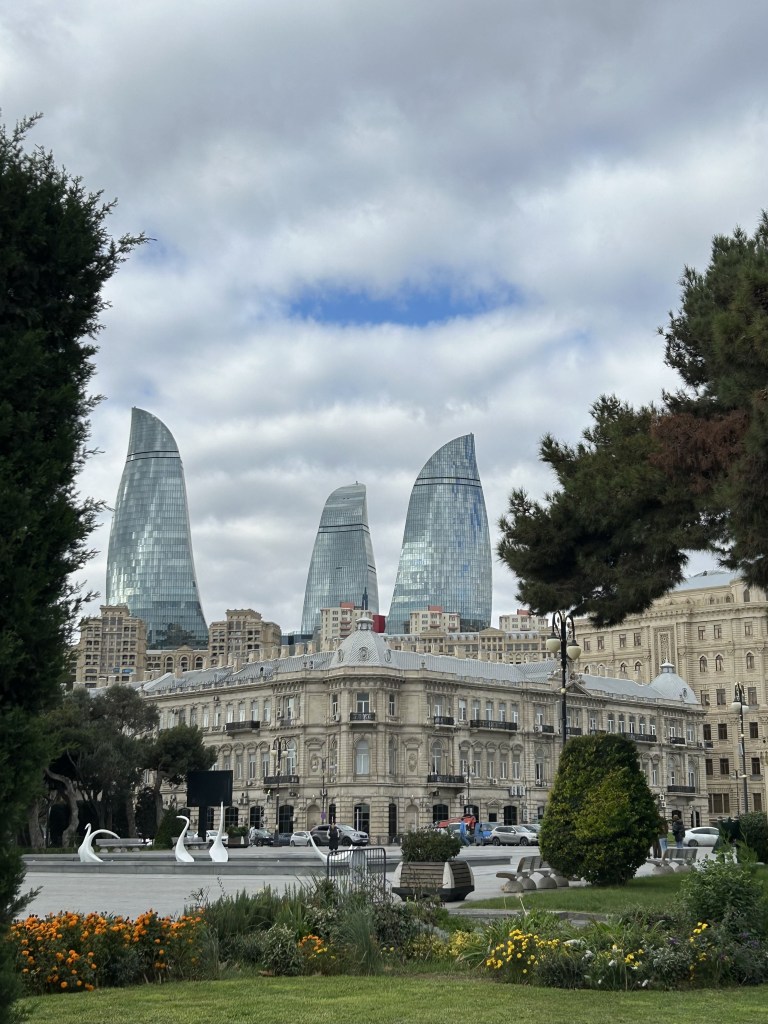
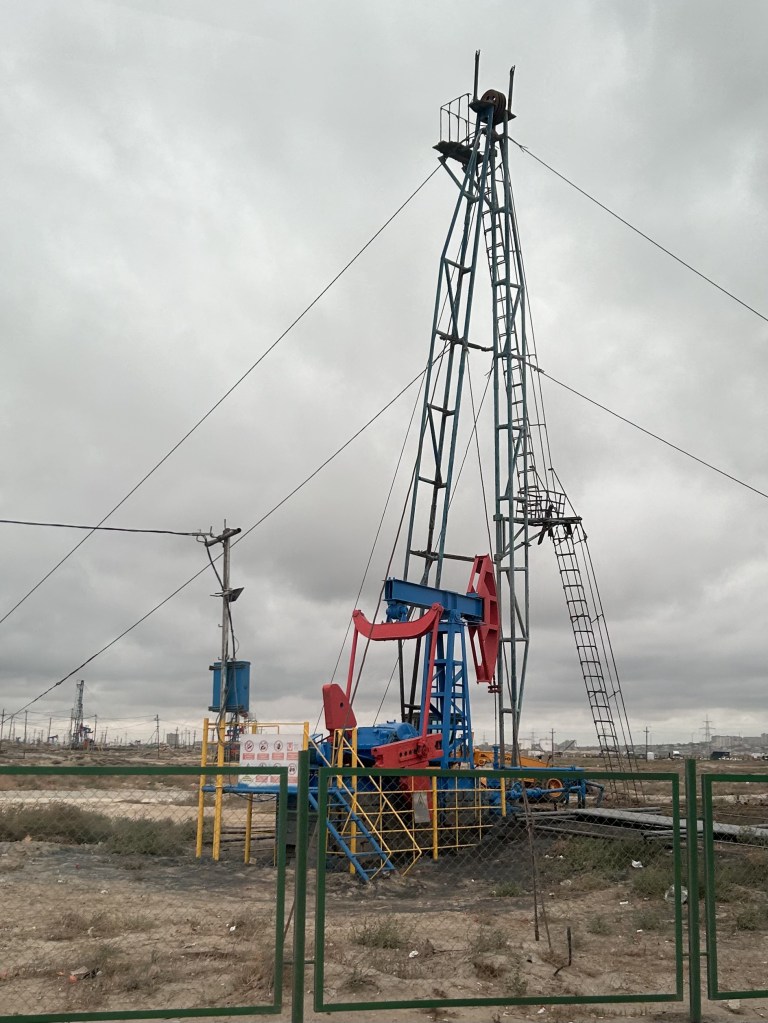
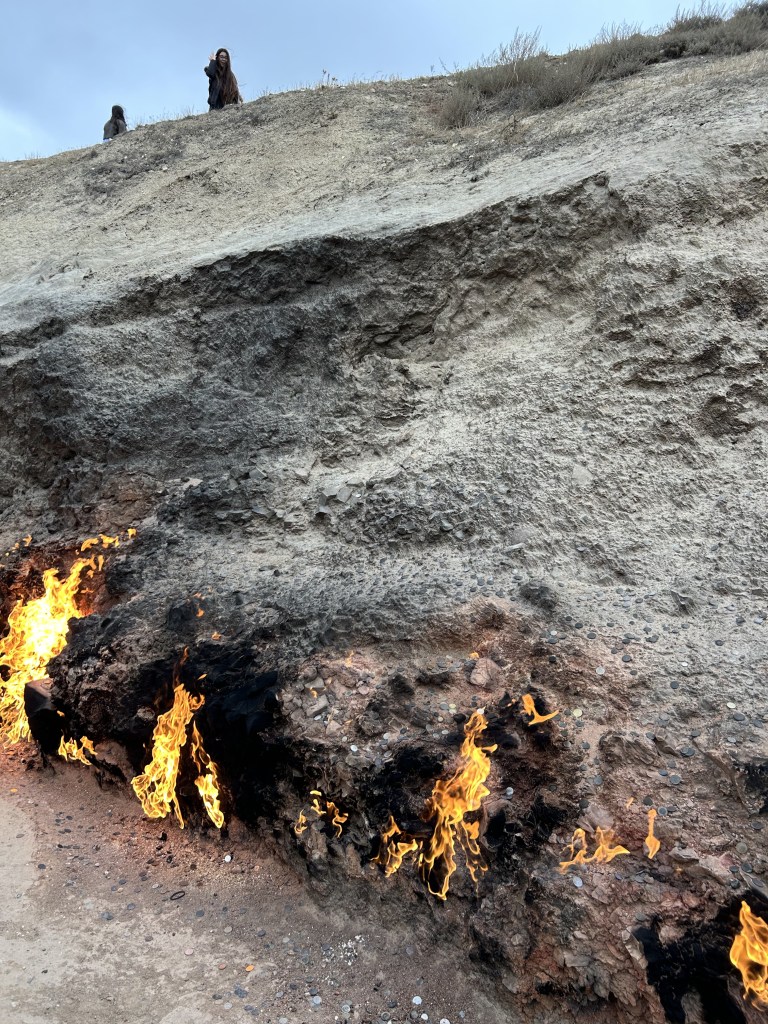
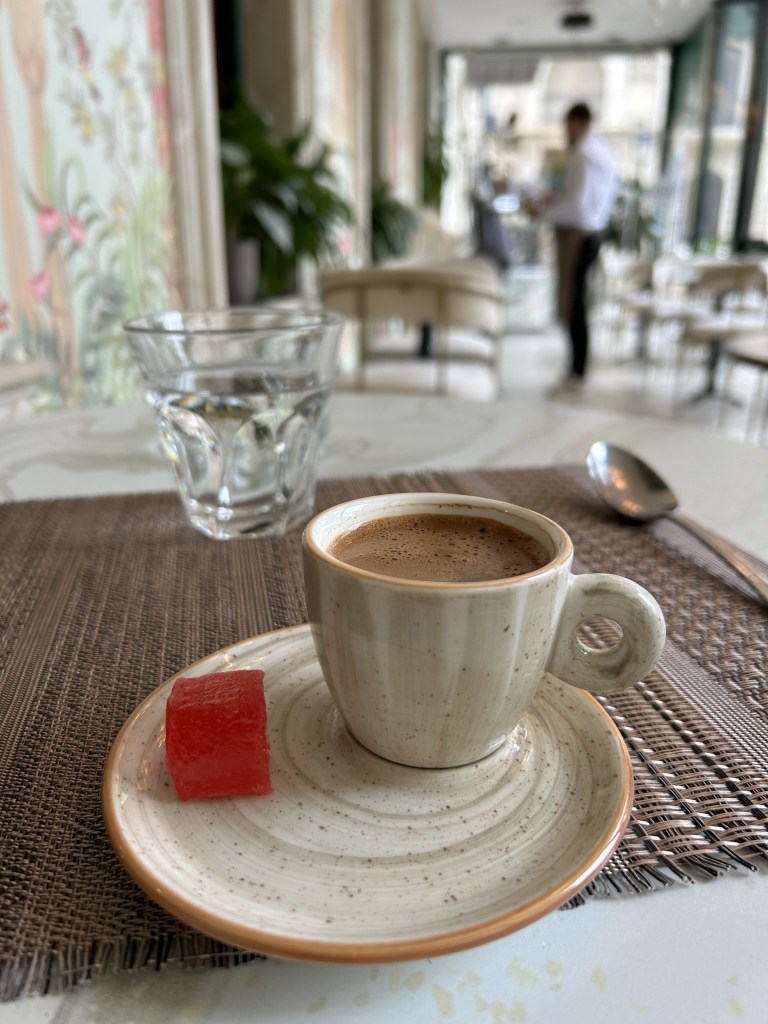
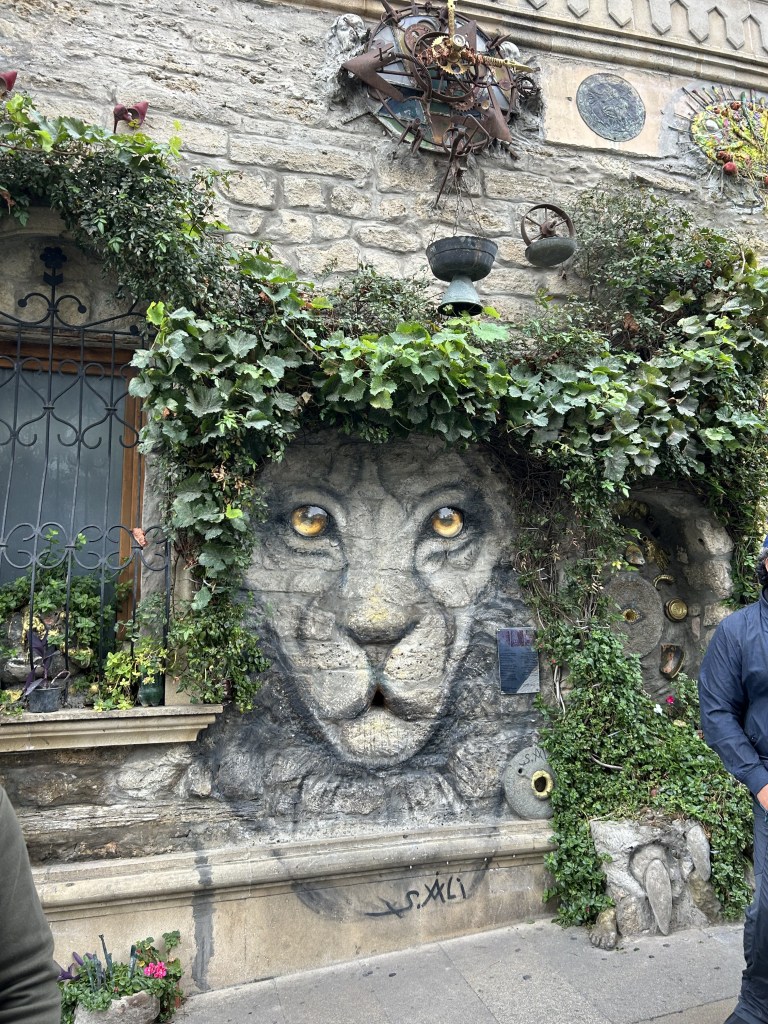
The final adventure was Azerbaijan. This modern city has exciting contemporary architecture, ritzy high-end shops, oil rigs galore and good restaurants with personality and music. The ‘inner city’ is the old city contained within ancient walls, in which people still live. An hour out of town are rocks with Paleolithic petroglyphs (ancient rock art), plains of bubbling mud and cracks in the earth that breathe fire.

I haven’t mentioned the silk embroidery or carpets but believe me, this history and the examples we saw were captivating. It was hard not to bring home a suitcase of mementos, too.

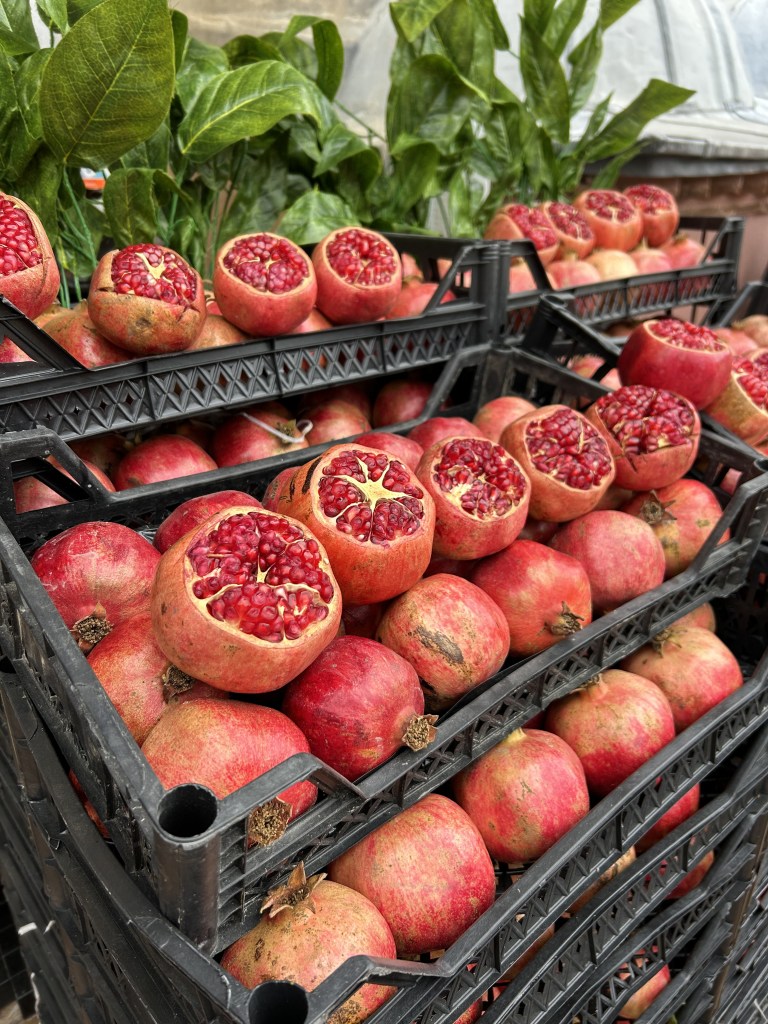
In all, I learned a lot about civilisations of the last two thousand years, about astonishing leaders like Genghis Khan and Tamerlane, about wars and takeovers, about Russian occupation and withdrawal, about religions living side by side (and not), about the early, great thinkers, and the evolution of the silk trade. I learned that all three countries are secular (state affairs are non-religious) and in Uzbekistan and Azerbaijan, the dominant Muslim religion is very relaxed. I dressed modestly out of respect and always felt safe. I ate pomegranates and baklava, photographed cats and walked a gazillion steps. My curiosity is sated, and my understanding of humanity, greater.

Perhaps it’s for this that we should travel anywhere at all.

ISTANBUL

UZBEKISTAN

AZERBAIJAN

Environmental Consciousness

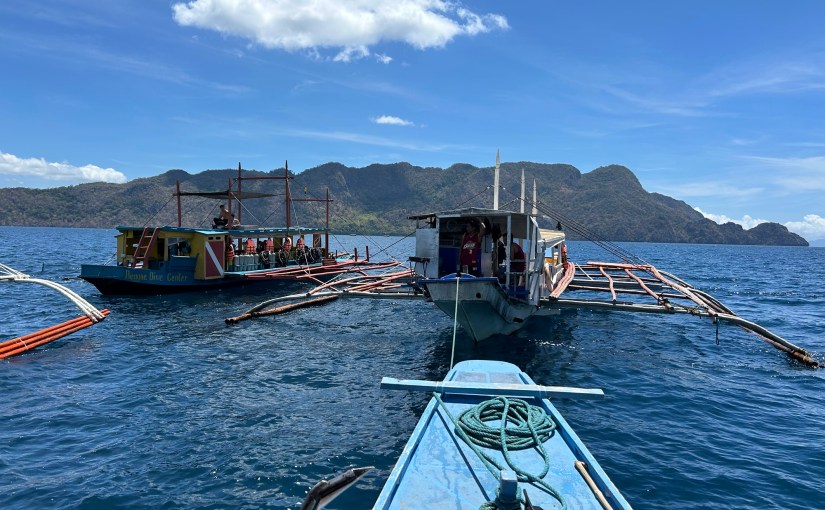
As I sit in my room at a resort in Coron in the Philippines, I look out over low trees to the strip of sparkling blue water and the almost uninhabited green hills behind, and recall the last few days of diving in the waterways of Coron Bay.


It’s been a nice holiday. I’ve met some new people, been active and adventurous, explored a bit more of the world. Scuba diving is a wonderful sport for a keen traveller. Shipwrecks, the big draw card of Coron, are fun to float through. Their eerie, dark stillness is exciting and paradoxically calming at the same time. It’s surreal to see fish pass by port holes, to recognize ladders and engines under coral growth, to swim through holes in steel.


But I’ve been disappointed, too. From my balcony, the view looks pristine and the landscape, healthy. Closer to the real world, it’s not so good.


There is a great big gash in the side of a hill. Dirt has been dug and removed. Down by the water, in front of the mangroves, a mound of earth rises up a couple of meters over the water line. It stretches half a kilometer one way and a quarter the other. Apparently, this is where the dirt was transferred; an illegal land reclamation. A group of developers thought it would be a good idea to create a housing and holiday village while no-one was looking, through Covid times. The only problem was, it wasn’t government approved, and there is no infrastructure. One road in and out. No sewer or water. Nothing. And now it sits empty, the investors fined a few thousand dollars, the land a vacant lot. An intrusive wasteland.


Under the water, the natural reefs are sparsely populated. There is little colour and variation amongst the corals. There are few fish. The water isn’t clear. I don’t know if it’s silty because the sea floor is denuded of grass, or because it’s covered in organic waste, or if something has stirred it up. Some of my fellow divers heard a large boom, felt a reverberation: dynamite fishing. I inwardly shrink when I hear this. No wonder there is so little life. On top of run off from land degradation and warming temperatures, there is mass killing of sea creatures.


I looked it up. I read part of the government’s Resource Management Plan. Yes, Coron has a problem. There are too many people struggling to make a living. Forests are cut down. The sea is over-harvested. There isn’t enough infrastructure to support the population. But tourism, conversely, is necessary to steer the economy away from destructive practices towards environmentally friendly ones. It’s a difficult situation.


I will leave this place with happy memories of being active in nature. The waterways are still lovely, the wrecks interesting, the tropical climate conducive to fun.


But I am also sad. Perhaps the hard words I’ve written will reverberate somewhere where they can help. I don’t know how, but I do know that ignorance is not bliss. It causes more destruction and fear. When we know what the truth is, we can face it and try to fix it. We can find a way.


What Coron needs is empathy, generosity, and appreciation. Come to think of it, this is what the whole world needs now, too. Each and every one of us needs to engage with nature and do our own bit to preserve and repair it. Just appreciating it is a start. I hope I’ve helped.

India and My Soul

In November, I visited India for the fourth time. I’m drawn to the place like a magnet, like my energy is attracted to its, like my soul gets caught on the prevailing wind.

It is a land of fascinating human history, evidence of which can be seen in forts and palaces and temples. Its people are friendly and musical and resourceful. Of course, it has its problems, and like everywhere else in the world, they’re man-made, but sweeping the trash aside, India is a beautiful and exciting place.

Each time I’ve been, I’ve had a mission: the first was to visit the big sights of Rajasthan and South India; the second to do research for my novel-writing; the third to spend nine days in an ashram at a women’s festival focused on saving the planet (with my guru, Liz Gilbert); and this fourth time was twofold – to check out a residential school for disabled kids run by an incredible woman I met at the ashram, and the other, to join a group of writers in a tour aptly called Story Hunters.

The school turned out to be a treat, a happy place where kids were thriving. Kids who had suffered birth trauma, disease, or lack of pregnancy care, who would normally have no opportunity for happiness, were being educated, looking after themselves and each other in a positive environment, playing sport, laughing. I got to hang out with the girls in their common room, having my hands painted with henna, dancing.

The group of writers turned out to be an eclectic bunch of highly creative and deep-thinking women.

Story Hunters was the vision of a man who wanted to connect a bunch of curious, foreign writers with types of Indians who don’t often get to tell their stories.

Travelling with us was a young Indian woman with impressive qualifications who acted as facilitator, herder, and interpreter; a musician who played violin, guitar and wooden flute, who sang and wrote poetry; and an earnest, young videographer and documentary maker with the sweetest of hearts.

We got to meet with:

  • gypsies who live on the edge of the Thar desert, who perform dances, play instruments, and do tricks like pick up razor blades in their eyelids. Their pride and their personal stories of loss have affected me forever.
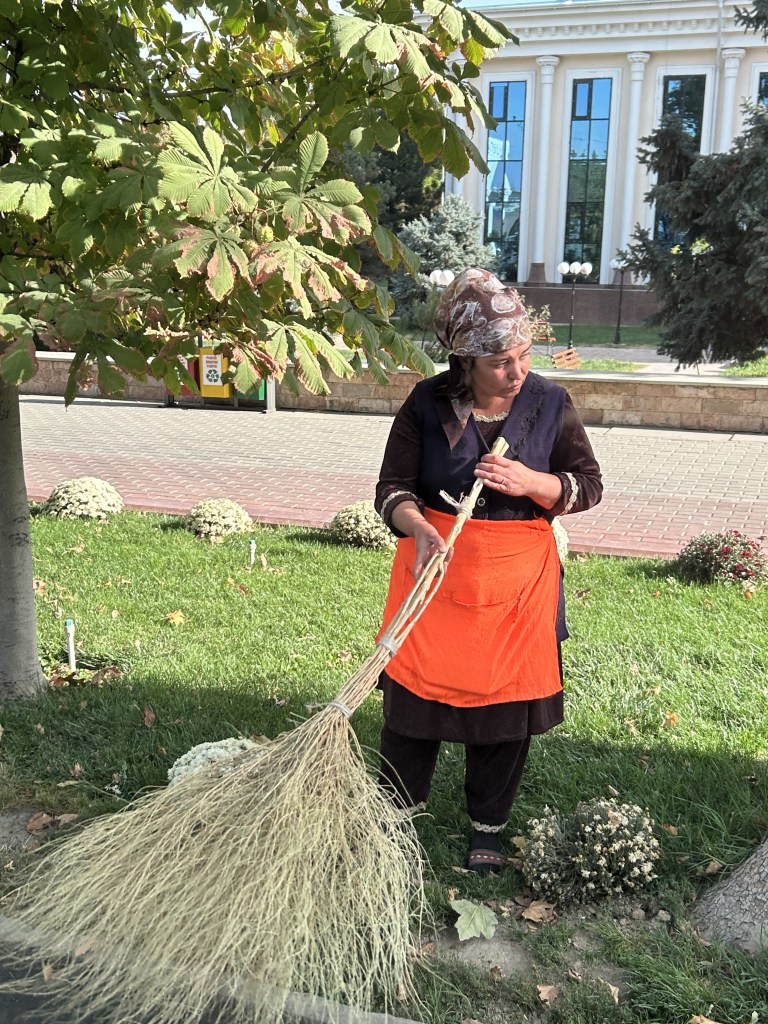
  • street-sweepers – a mother and daughter-in-law – who were accompanied by a male family member in order to be decorous.
  • a jeweller who broke away from his family’s traditional silver-smithing style to make highly imaginative artworks from metals and gems and fossils. He almost died from Covid, then a great light lifted from his chest, leaving him completely well.
  • a Naga sadhu in Benares (Varanasi) who was once a successful software developer who now devotes his life to attaining enlightenment.
  • a Sufi priest who explained that Sufism is about finding truth, liberation, reality, and love. He spoke eloquently, sang Kabir’s poetry, and played tambourine with dancing hands.
  • a tuk tuk driver in Delhi who turned his life around with the love and support of his wife – a love marriage between a Muslim and a Hindu that survived his drug addiction and imprisonment – becoming an honest business owner, able to put his sons through private school.
  • Hijras – people of the ‘third gender’ – whose personal stories of hardship, ostracism and desire for love broke my heart.

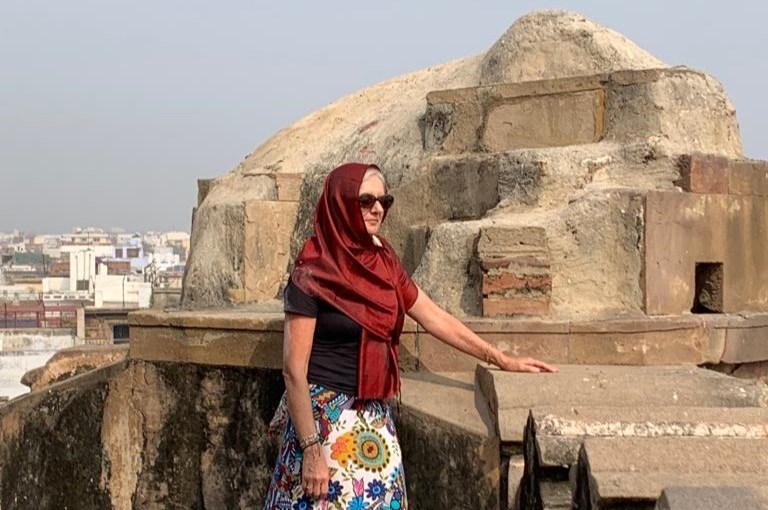
We spent days in India’s last living fort, Jaisalmer, and more by the great, holy Ganges in Varanasi. We visited ancient sites including a 350-year-old Mosque built with the remains of a Hindu temple and the remains of a city, reportedly abandoned 800 years ago. We learned about caste, religion, gurus, Hindu gods, and Diwali. We explored alleyways and danced on the river’s ghats, singing Hindi and Beatles songs with our very own troubadour.

My fourth trip to India turned out to be exceptional. I learned so much that it took weeks to process once I was home in the quiet, open space of Australia.

On reflection, I wonder if the gods play their part in returning me there, time and time again.

Vayu, the guardian of the northwest direction and the Lord of the Winds, may be my universal facilitator. No doubt, I will do this exhilarating journey again and like the much enjoyed roller-coaster of my childhood, I will find myself weeping with pain and blissful with joy. India burns in my heart and like the flame of the diya (the sacred oil lamp), it will remain the light of my soul.

REFERENCE

School for children with a physical disability – SKSN: https://sksn.org/

Story Hunters: https://www.blueswan.events/

Writer’s Journey – https://www.writersjourney.com.au/