Eight years ago, I started drafting a novel. The story came to me as I was settling in to my new life as a single woman. I journalled and talked to other women who were going through similar things – women in mid-life who were experiencing changes in their circumstances, bodies, hearts and minds. Complete with its three female characters, the story encapsulated many of those changes and how the women were transformed through dealing with them. The story may have been created in my mind, but it was as if it came to me on the wind, landing in my lap like a feather.
The message was clear: Ladies, you’re not alone and if you’re brave enough to be open and honest, to let go of certainty and take a chance, and to prioritise yourself (for a change), you’ll grow and you’ll fly.
The reason I’m sharing this is because the story is in danger of being grounded. The process of shaping it for publication is starting to feel like clipping its wings. I don’t quite know what to do next, but I know from experience that being open and honest helps.
For eight years I’ve gone over and over this story, drafting, editing, and re-writing it after each manuscript assessment, improving it but also shaping it to fit the genre of contemporary commercial women’s fiction. This genre is character and theme driven and according to professionals, this is where my novel sits. I get it. I agree. But, in some ways, it’s not fitting the mould.
For a start, a story with three protagonists (three character-arcs and three plots) has caused there to be a lot more words than today’s publishers want. It’s too big for the genre, especially for a debut novelist like me.
Another irregularity is that one of my characters leaves the other two and as a result has a partly separate story. Normally, in this genre, the main characters are intrinsically linked so that their actions impact on one another.
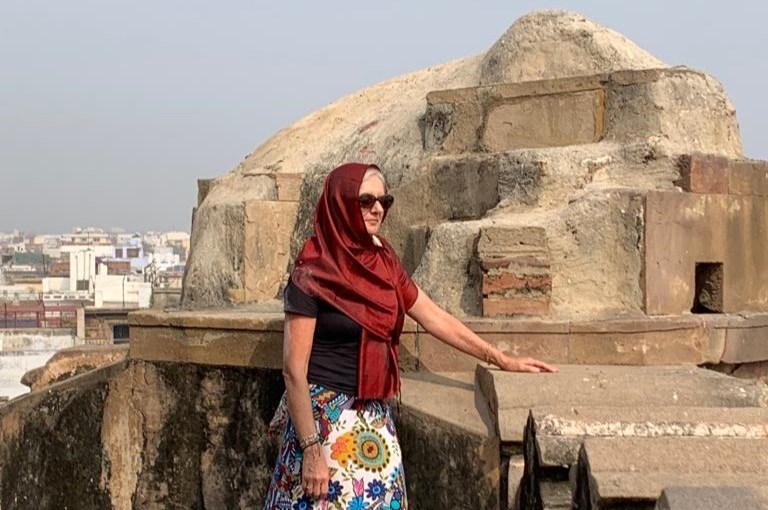
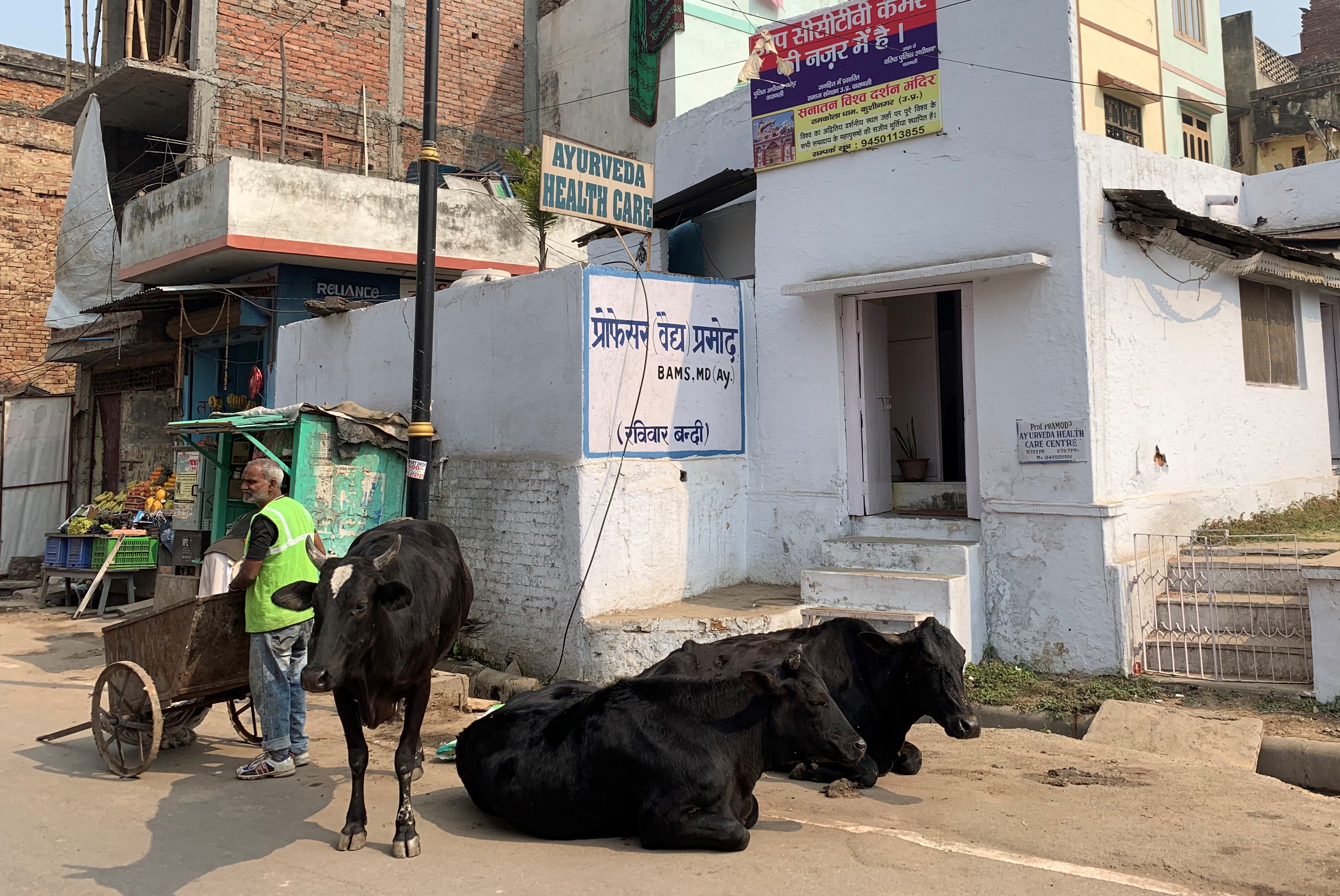
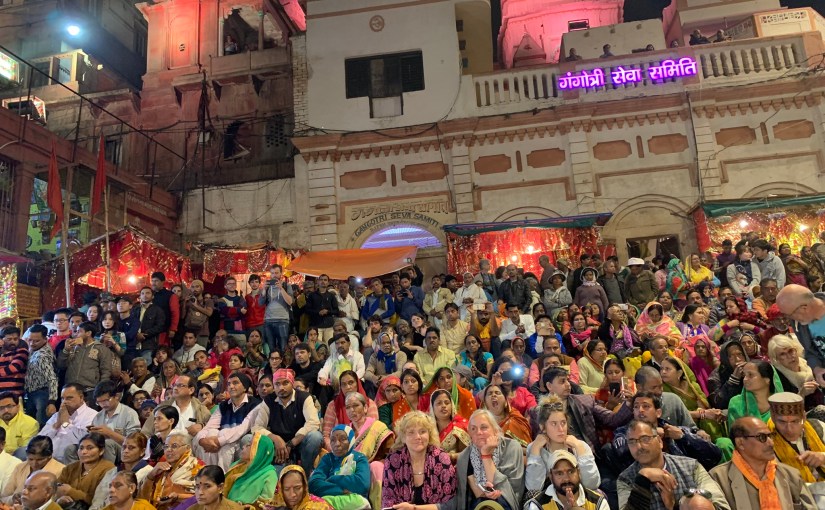
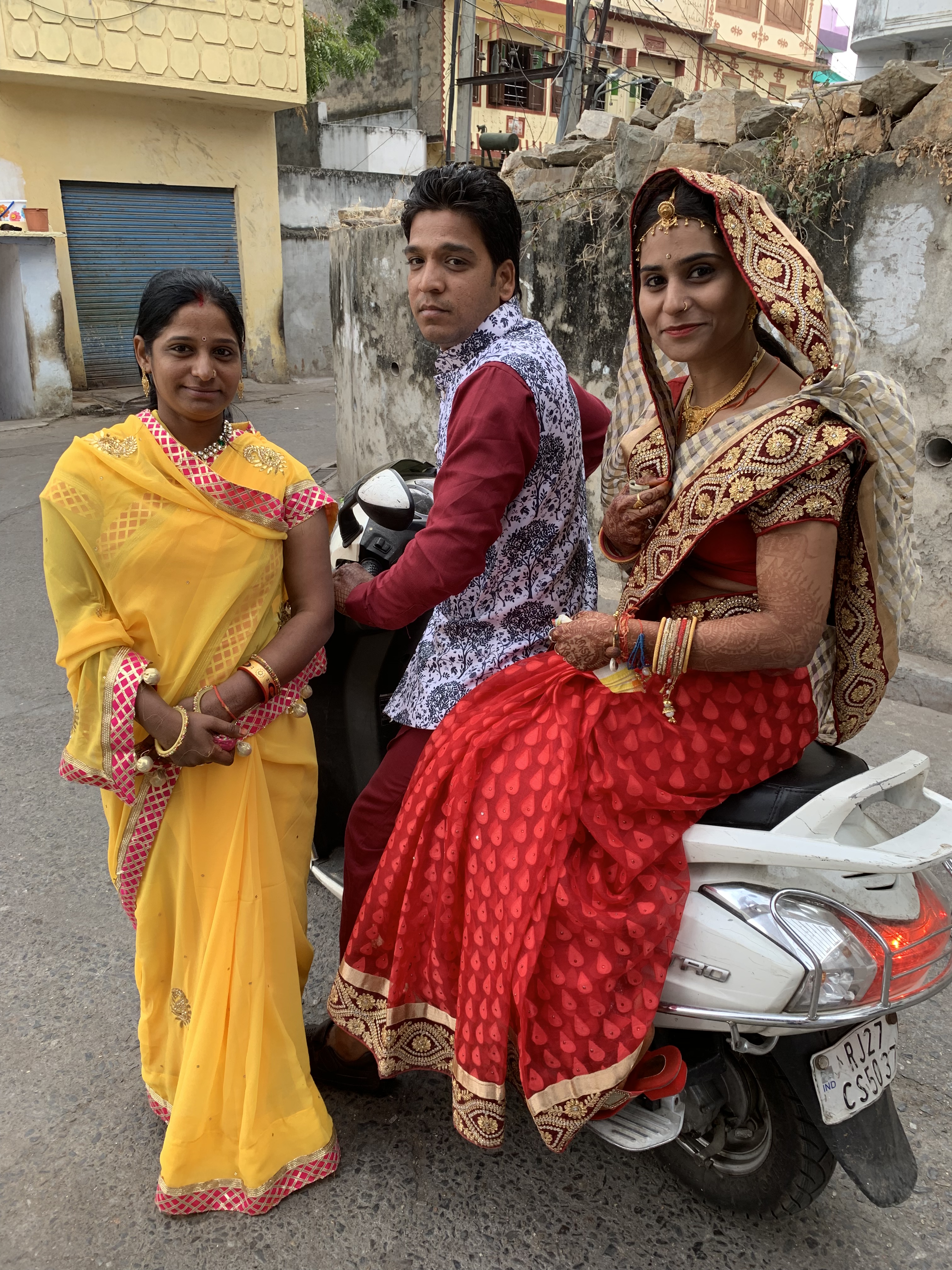
Mostly the story is set in Australia but this character returns to her birthplace, India, for a period of mourning. This leads to another editor’s issue: is it appropriate for me as a white woman to be writing from an Indian woman’s point of view? And why India? My answer is I’m fascinated by India, love the place and its people, and know women there who want their transformation story told too. And India has always been a part of this story, the one that chose me to land on.
So, what do I do? I have always said that I want to be traditionally published. I want the recognition, the kudos, the built-in marketing. But to be accepted I would need to make my novel fit the mould. And that’s not sitting well with me.
Is that because I’m a restless middle-aged woman who wants to do it her way and hopes to fly? Or because I’m a little woo woo and believe the story should remain as it arrived? Or because writing should be unconstrained art? Or simply because I’m running out of energy? I’m not sure, but I think I’m coming to the conclusion that traditional publishing isn’t worth the effort.
I’ll add one more reveal. My confidence rises when I’m happy with my writing, when I feel I’ve been genuine. It falls when I get back an editor’s report and try to make the writing fit a format. So, what is that telling me?
I want my novel to soar. I want people to relate, to get it, to be inspired by it. I’m willing to follow guidelines on good story-telling to give it the best chance. So I’ll give it one more makeover, pluck out a few extraneous scenes. But I must stay true to the story. I must write it how it wants to be written and include all I have to say.
It seems clear now that I need to be free of constraints, and when I write THE END this time, I need to be brave enough to publish it myself. Who knows what will come of it? But at least I’ll be setting it free.








 Carla Simmons Writer